Brazil’s Regulated Gambling Market Generates $7 Billion in First Year

The Brazilian Secretariat of Prizes and Bets (SPA) has reported that the country’s regulated gambling market generated over $7 billion in revenue in its first year.
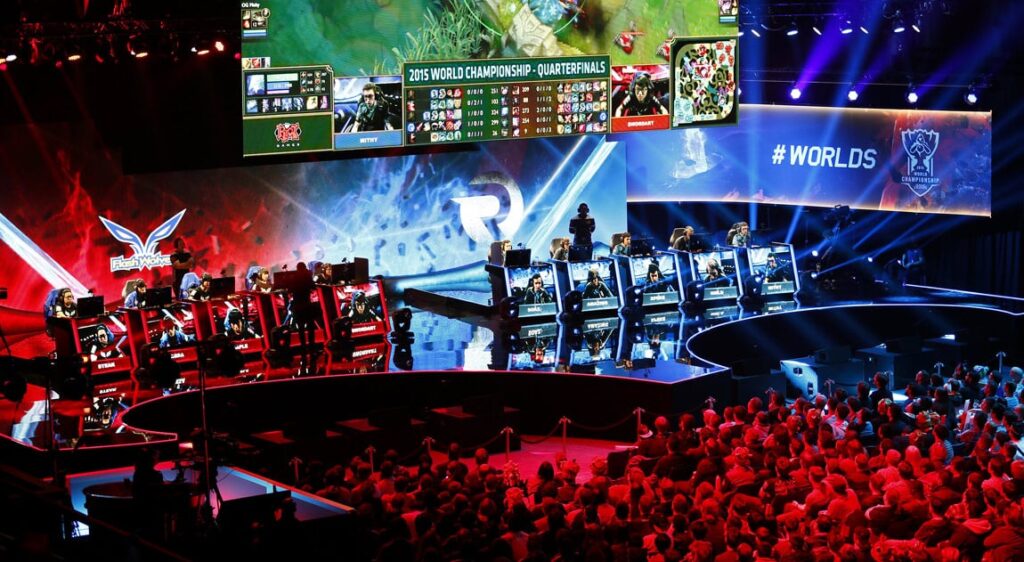
Brazil introduced new regulations for its sports betting market last year, including the approval of esports gambling in April.
In the first six months of the regulated industry, 17.7 million bettors (8% of the population) placed wagers on the 68 licensed platforms.
The SPA has since granted more licenses, and there are now 79 regulated companies. Over the whole of 2025, these companies generated R$37 billion (around $7 billion) in gross gaming revenue.
Gambling operators must pay a fee of R$ 30 million to obtain a license and a further 12% of revenue in taxes to the state. As a result, the country collected around R$ 9.95 billion ($1.9 billion) from the industry.
Companies Face Higher Taxes This Year
The government has decided to place further taxes on companies. In the end, President Luiz Inácio Lula da Silva (Lula) approved a staged tax increase.
The rate will increase to 13% later this year, then to 14% next year, and to 15% in 2028. Lawmakers had pushed for the rate to reach 18%, but the Brazilian Institute of Responsible Gaming (BIJR) strongly opposed it.
The gambling trade body group said a rate of 18% would grant illegal operators “the greatest competitive advantage the market has ever seen”.
The higher tax rate aims to finance R$300 billion ($55 billion) for social spending this year.
New Regulations Protecting Brazilians
President of the SPA, Regis Dudena, said the new regulations offer additional protections for users. In comments translated from Portuguese, Dudena told SBC Noticias, “The year 2025 marked the first time the State was fully present in this market. Data was received that allows the sector to be understood objectively, in addition to providing monitoring tools to track compliance with the rules that were created.”
The gambling authority says it is now focused on reducing problem gambling by introducing new measures, including a centralized self-exclusion system.
Dudena added, “We now have economic measurements and information about individuals, which helps us prevent gambling-related problems and enables coordinated action with other bodies, such as the Ministries of Health, Sports, and Justice.
“This also includes enhancements such as the Centralized Self-Exclusion Platform, which allows bettors to remove themselves from the gambling environment and stop receiving targeted advertising.”
Further Restrictions Face Opposition
Lawmakers proposed several measures to control the market in a bill last year, including raising the minimum gambling age from 18 to 21.
Additional restrictions include introducing a deposit limit, banning advertising at night, and banning gambling sponsors in sports.
A ban on betting sponsorships has been opposed by Brazil’s soccer clubs, who see gambling companies as offering essential revenue. It would also impact esports in the country. Last year, BLAST announced a multi-year partnership with BetBoom, a licensed Brazilian betting company.
Senator Humberto Costa’s legislation remains under consideration, but has not advanced in any committees as yet.