LOL
LOL CS2
CS2 Dota 2
 Valorant
 Fortnite
 Call of Duty
 Mobile Games
 Gaming
Mississippi Proposes Legalizing Online Esports Betting

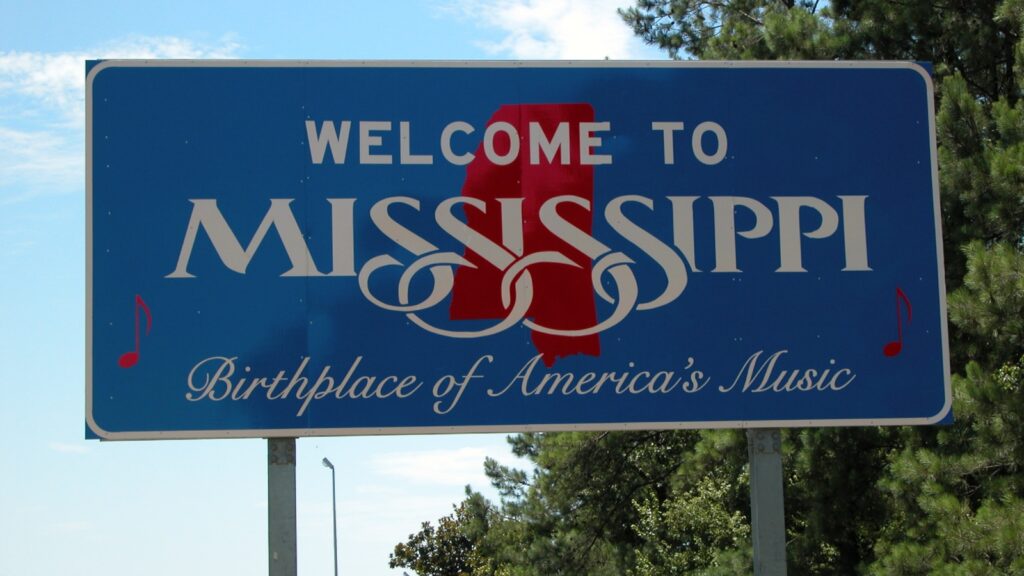
Lawmakers in Mississippi have filed a bill that could see the state allow users to wager on esports contests. The legislation would legalize online sports betting after failed attempts last year.
HB591 proposes to allow licensed gambling companies to operate digital platforms. Major companies, including DraftKings, FanDuel, BetMGM, and Caesars, all run retail sportsbooks in Mississippi.
The bill includes an expansion of the category ‘sports pool’ to include esports. It defines sports pool as “the business of accepting wagers on collegiate, amateur or professional sporting events or athletic events, including e-sports, or any other event or competition authorized by the commission.”
It also proposes expanding fantasy sports to include college events, which are currently prohibited.
Bill Sets One Of Country’s Lowest Tax Rates
The bill includes a fairly low tax rate, with companies paying as little as 4% of revenue back to the state. Operators that generate monthly revenue of more than $50,000 will pay a 6% tax, while platforms generating more than $134,000 will pay the top tax rate of 8%.
This is less than the national average, which is around 20%. It is similar to the current tax on retail sports betting in Mississippi, although companies must also pay an additional 3 to 4% in local taxes, depending on the location of the sportsbook.
A rate of 6% would be the lowest in the country, with Iowa and Nevada both taxing companies at 6.75%.
New York, New Hampshire, and Rhode Island are at the other end of the spectrum, taxing companies 51% of their revenue. Rhode Island currently has only one active sportsbook, but plans to grant an additional license this year.
Lawmakers Eye Online Betting As Source Of Funds
Despite the low tax rate, lawmakers believe online betting could generate significant funds for Mississippi. Rep. Jay McKnight introduced the bill on Monday, and it already has support from some fellow lawmakers.
Rep. Kevin Felsher has called for legalization to generate additional revenue for the state. In particular, Felsher said Mississippi must make up a substantial shortfall in the state’s retirement fund, which he says needs an additional $26 to $27 billion.
After failed efforts in previous years, he thinks 2026 could be the year the state approves legislation.
“I’m hopeful this year could be the year that we get a sensible mobile sports betting program that protects the integrity of our brick-and-mortars,” he stated.
If passed, the bill would come into effect on July 1. Other states, including Nebraska, have also proposed expanding into online sports betting this year. Missouri was the only state to launch a new market last year, going live in December.
Senate Rejected Proposal Last Year
Previous efforts to expand into online wagering have failed in Mississippi. Last year, the House passed a bill that would have legalized online wagering as well as criminalized sweepstakes casinos and other alternative gambling platforms.
The bill, however, was rejected by the state’s Senate. The Senate had approved the bill, which was originally only focused on increasing penalties for illegal gambling, including banning sweepstakes casinos. However, the House added the sports betting language, leading to its eventual rejection.
This year, lawmakers have filed a separate bill that aims to prohibit sweepstakes casinos. Sen. David Blount and Joey Fillingane introduced SB2104 earlier this week. For now, it contains nothing related to legalizing online sports betting.
Mississippi Residents Already Wagering Online
A survey last year reported that 60% of college students who gamble have placed bets online. Of those who gamble, 15% said they did so at offshore sportsbooks.
Dan Durkin, an associate professor at the University of Mississippi, said he believes most students do not know or care whether websites are legal.
In comments to Mississippi Today, Durkin commented, “Our students are showing similar patterns to those identified by the NCAA and seen nationally, including that legality doesn’t make a difference with college students.”
Since then, prediction markets have also expanded to offer more markets on a variety of sports, including esports. A growing number of platforms are now available in Mississippi.