LOL
LOL CS2
CS2 Dota 2
 Valorant
 Fortnite
 Call of Duty
 Mobile Games
 Gaming
The Troubled First Year of Counter-Strike’s VRS System According to The Analysts

Counter-Strike in 2025 saw the death of ESL and BLAST-owned partner systems in favour of a Valve-mandated VRS system, and it’s safe to say it was anything but a clean transition.
From issues with cores at the start of the year that saw M80 miss out on invites due to requiring to use a stand-in, to further complications regarding invites when points weren’t allocated to GamerLegion due to still being in the event they were playing in, issues that should never have existed required fixing all year round.
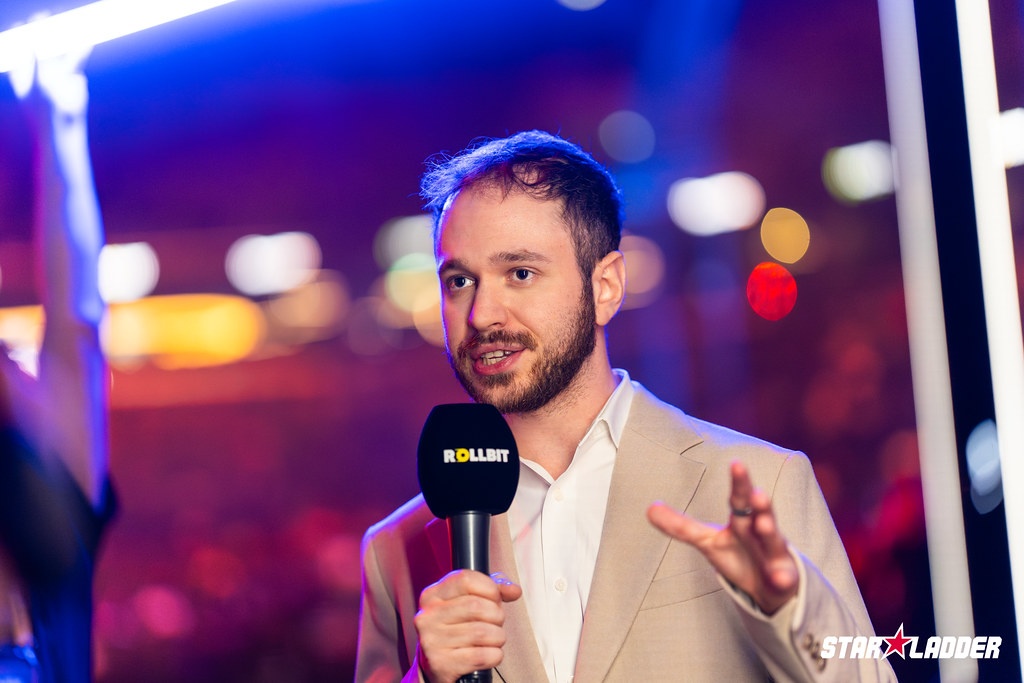
Even during the final event of the year, the StarLadder Budapest Major, cores controlling invites saw teams using loopholes to field their desired rosters, such as FaZe Clan substitute Russel “Twistzz” van Dulken playing instead of Havard “rain” Nygaard – a player who had already left the organisation – because removing rain from the team would have meant they lost their invite.
VRS is a system that is clearly flawed, and although there have been success stories like NIP and PARIVISION, analysts like Alex “Mauisnake” Ellenberg aren’t entirely convinced they are success stories, whilst Martin “STYKO” Styk says that “improvements are necessary.”
“VRS is Difficult to Analyze”
Difficulties adapting to the overly complicated system led teams to grind to arguably unhealthy levels for their players all year round. Even worse than that, given some of the flaws within the system and how it seemingly closed off qualification to Majors for everyone other than the already-established elite, CS mainstay organizations like Endpoint quickly bid farewell to their teams.
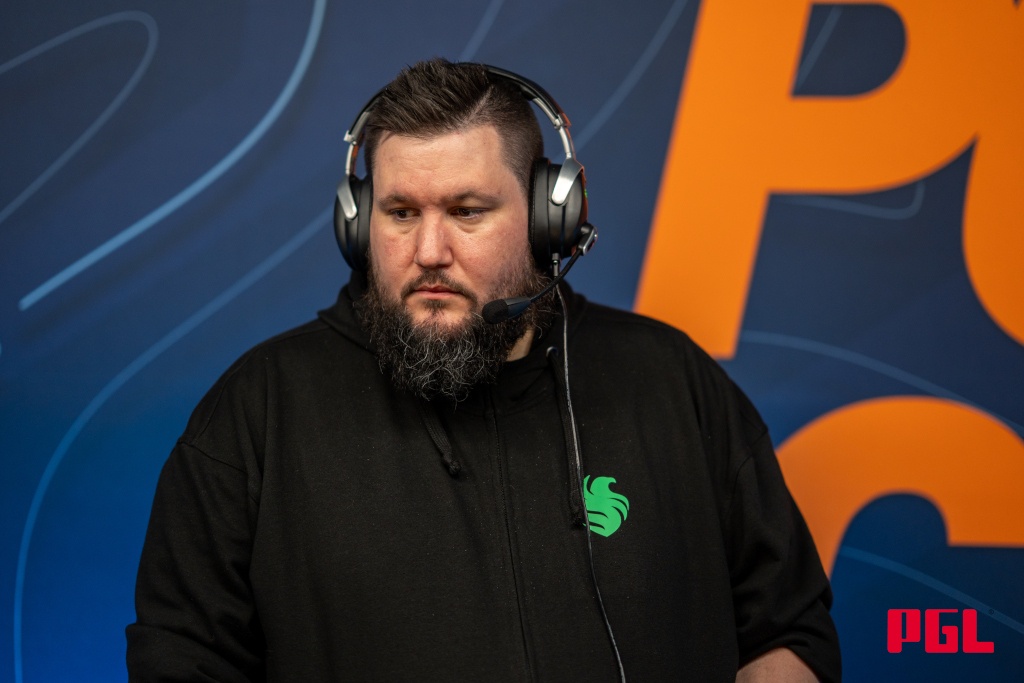
Falcons coach Danny “zonic” Sorensen told Esports.net “VRS was difficult in the first half of the year, we had to grind out every tournament possible.”
It’s an undeniable fact that they were grinding more than most tier one teams. Falcons’ only tournament win in 2025 came at PGL Bucharest in April. Those PGL tournaments – which Falcons stopped attending once their VRS ranking was in a healthier spot – became well known for having weaker fields, something the teams at the very top didn’t need to worry about overcrowding their schedule with.
The grind is even worse lower down the ladder. Teams like NIP, who started the year without any VRS points, had to play constantly in order to climb to a point at which they could make the second Major of the year, and even then, a big factor in their climb was successfully running the gauntlet of open qualifier Counter-Strike.
However, for every success, there are failures as well. HEROIC missed out on the Budapest Major due to their declining VRS points, but as Mauisnake points out: “They didn’t handle their VRS points in terms of what tournaments to target.” But should it be that way? Should a team like HEROIC be punished for testing themselves against better opponents, rather than farming easy points against weaker opposition? Mauisnake doesn’t think so.
“I don’t think PARIVISION deserved to be at the Major,” he said. “I don’t. When I look at what they accomplished this season, I just don’t think they deserved it. The journey is just way beneath any other team, they beat no top 20 teams on the way here, and that feels criminal compared to some of the organisations that just missed out given what they showed across the season.”
He did later admit their level of play showed that they deserved to play at the Major, but that’s not the point. If the VRS system is designed to find the best teams, a system that rewards people for only playing against easier opposition can not be doing that.
Not an Easy Fix
The problem then is that due to the nature of the Counter-Strike ecosystem, there’s no easy fix. Trial and error, as has been the methodology so far, is the only answer in the quest to find the perfect system for the game.
But fortunately, in just one year, Mauisnake thinks the system is almost there: “With the exception of PARIVISON, I’m pretty happy about how two-thirds of the teams that were in Budapest got there. I think there’s some discussion about the quality of the teams ranked 25-32, but it’s generally good that more teams are receiving substantial funding, and that, to me, is a simple net positive. VRS is doing 90% of what I think it should be doing.”
The difficulty comes in finding where that extra 10% is, and it’s something that neither STYKO nor zonic have the answer for, with zonic telling us “there’s a better season out there but I don’t know the answer yet.”
STYKO echoed the sentiment of confusion and also shared concerns for the lower levels of the game: “Improvements are necessary. I’m unsure how to do it, but it needs to be done. When I look at the grand scheme, the best eight teams made the Major playoffs, so in that regard, VRS is stable. In tier two and tier three, it’s just not good enough. It doesn’t provide enough incentive for teams to participate, and it creates an additional barrier to overcome.
“In the first season of 2025, there were only a few teams that made it. NIP was one, PARIVISION was one, and TNL who eventually became Inner Circle. They’re some of the only teams who made it out of the trenches, and I don’t think it’s enough. When I look at the organisations that are closing down, those are far more frequent than those coming into the fold.”

VRS has, at least in some sense, opened up the circuit. Stories like NIP, who now find themselves comfortably in the midst of tier one, were simply not possible during the partner era. However, as Cai “CYPHER” Watson told us back at BLAST Open London, other stories like Into the Breach during the BLAST Paris Major are also not possible due to VRS replacing the old RMRs.
As Counter-Strike enters its 2026 calendar, teams are now completely used to the VRS landscape. As tournaments begin to take place across the globe, those further down the rankings are already battling it out for points.
But as that grind continues for a second year, the conversation may shift to how healthy the grind is for those players, considering there are already European teams in North America for Fragadelphia, a full three weeks before tier one teams have to worry about playing events again.