LOL
LOL CS2
CS2 Dota 2
 Valorant
 Fortnite
 Call of Duty
 Mobile Games
 Gaming
CS2 dominating esports markets at Kalshi as states take aim at operator

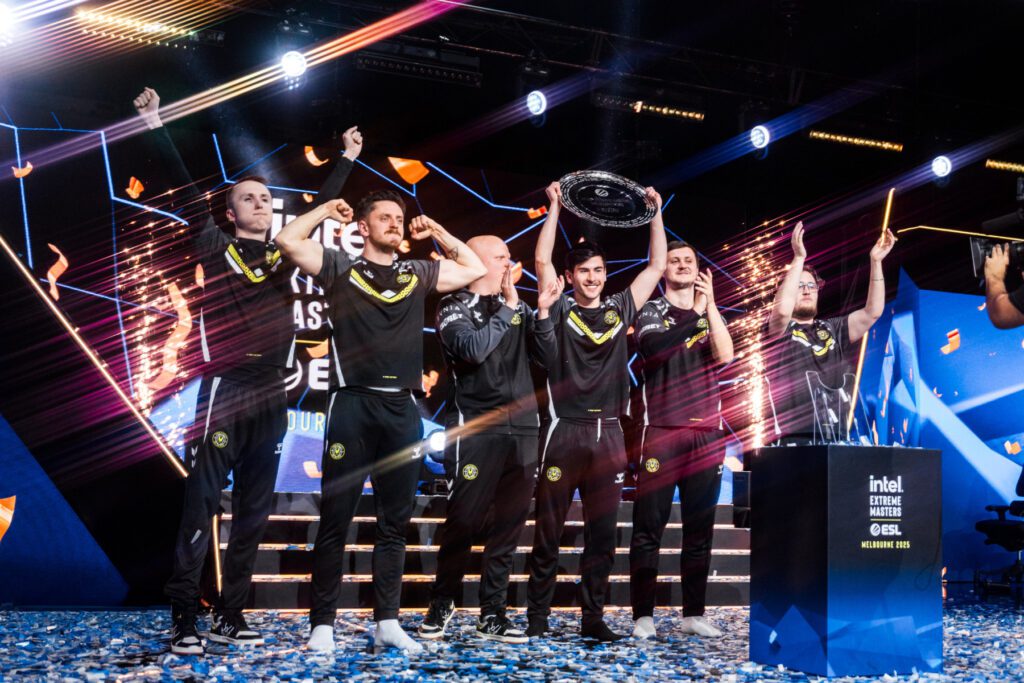
Kalshi is attracting increasingly more volume in its esports markets, with Counter-Strike 2 the dominant force. States are attempting to rein in the markets; however. A total of 39 states, plus the District of Colombia filed a brief against the company in its legal battle in Ohio this week.
Kalshi’s esports markets generated a total of $36.18 million in total contract volume across 408 matches in the first week of June. The majority of that was in CS2 matches, which accounted for 65.6% of the total, according to data detailed by Esports Insider.
League of Legends Also Popular
League of Legends was the second-most traded game, with $8.7 million in volume (24%), followed by Valorant (5.86%) and Dota 2 (4.23%). Other games had nominal volume amounts.
Volume on prediction markets is not the same as betting handle at sportsbooks. It relates to the number of $1 contracts traded, but those contracts could be traded at very low prices, meaning the amount of money users are actually risking is far less than $36 million.
Rival platform Polymarket has also accused Kalshi of inflating its volume, saying the company double-counts esports categories. Analyzing the data, it appears that esports now have daily trading volume of around $6 million, a big increase from less than $1 million at the start of the year.
A partnership with Sportradar could allow Kalshi to further expand its esports offerings and integrate live streams.
39 States Plus DC Oppose Kalshi In Court
The markets can only expand if the company wins its court battles, however. This week, 39 states and DC filed amicus briefs in support of Ohio in its legal fight against Kalshi.
Kalshi filed a lawsuit against the Ohio Casino Control Commission (OCCC) in July last year. A judge denied the company’s motion for a preliminary injunction in March, but Kalshi has appealed the decision to the Sixth Circuit.
In addition to the states, tribal groups, the American Gaming Association (AGA), former CFTC Chairman Gary Gensler, and Better Markets, a nonprofit advocating for financial regulation, also filed briefs in support of the OCCC.
The Third Circuit has already ruled in Kalshi’s favor. Seven of the 16 judges in the Sixth Circuit are Trump appointees, while three more were appointed by George W. Bush. That makes it likely the Sixth Circuit may also rule against Ohio in the case.
CFTC Backs Kalshi and Moves To Make Sports Markets Legal
The CFTC also filed a brief in support of Kalshi. The organization has Trump’s support and has moved to formally allow sports event contracts this week.
There has been much debate over whether Kalshi’s sports markets should be classified as gaming, which the Commodity Exchange Act (CEA) prohibits if they are contrary to the public interest.
In its new rules proposed this week, the CFTC stated: “The Commission preliminarily believes that these categories of sports event contract markets may serve price discovery functions and provide meaningful information.”
This effectively means the CFTC considers sports contracts valid financial instruments, as Kalshi has argued in courts across the country.
“The CFTC will protect the integrity of our regulated markets without standing in the way of responsible innovation,” said Chairman Michael Selig. “This proposal gives the Commission a durable, transparent framework to identify the contracts Congress directed us to scrutinize while letting legitimate markets move forward.”
It draws the line at markets focusing on player injuries, officiating calls, or “Discrete-action contracts involving specific participants”. This could mean that micromarkets, such as the number of kills in the next map for a specific player, could be prohibited.
The CFTC has now opened a public comment period on its rules, and we would expect considerable voices of dissent as states, tribal groups, and traditional gambling groups oppose its validation of sports prediction markets.