LOL
LOL CS2
CS2 Dota 2
 Valorant
 Fortnite
 Call of Duty
 Mobile Games
 Gaming
High school esports fans are facing the harassment reality of modern sports betting
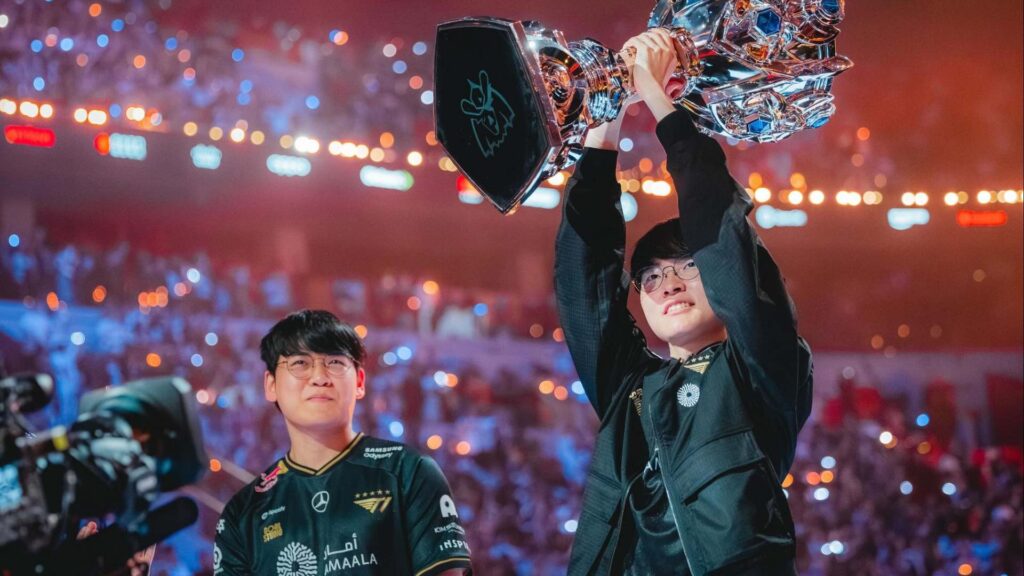
When sports betting apps turned everyone’s smartphone into a 24/7 digital casino, regulators promised that strict age restrictions would keep the chaos contained to legal adults. But as high school sports officials and youth athletic directors in Arizona are raising alarms over rising harassment and betting pressure on teenage athletes, the exact same crisis is playing out across competitive gaming.
From high school esports leagues to tier-two VALORANT and League of Legends circuits, young players who are barely old enough to drive are finding out what happens when internet strangers put money on their daily matches.
Prop Bets and DM Harassment Have Hit the Amateur Scene
In traditional high school and amateur sports, coaches and parents are suddenly dealing with spectators yelling point spreads from the bleachers and unhinged bettors sending abusive messages to teenage athletes on social media.
In the esports ecosystem, that exact toxicity has been standard operating procedure for years, only amplified tenfold. Because competitive gaming lives entirely online, teenage pro prospects and scholastic esports competitors are directly exposed to the dark side of live wagering:
- Direct Access DMs: Unlike traditional high school quarterbacks whose social media accounts might be private, young esports competitors stream on Twitch and interact openly on Discord, making them instant targets for angry bettors who lost a parlays
- Micro-Betting Pressure: Bettors are no longer just picking match winners. With micro-bets on map duration, first blood, or individual kill counts, a single missed skill shot by a 16-year-old player can trigger a flood of death threats in chat
- Match-Fixing Traps: Unscrupulous offshore operators and sketchy match-fixers actively target younger players who are not earning big salaries, offering quick cash to throw a round or leak internal scrim information
Protecting Young Competitors in a High-Stakes World
As state gaming commissions and high school athletic associations scramble to restrict prop bets on amateur competitions, esports tournament operators are being forced to rethink how they handle player protection.
Scholastic esports organizers and tier-two leagues are starting to implement strict chat moderation, anonymous player handles, and mandatory education programs on gambling integrity. When teenage gamers are competing on streams watched by thousands of viewers around the globe, teaching them how to spot match-fixing approaches and block abusive bettors is becoming as essential as labbing combos in practice.
If sports betting is going to remain a permanent fixture of modern entertainment, protecting young athletes and teenage gamers from the ugly side of the betting industry has to become top priority before burnout and harassment ruin the next generation of talent.
This short news clip provides crucial context on how rapid sports betting expansion in Arizona is driving real-world concerns about gambling exposure and player harassment.