LOL
LOL CS2
CS2 Dota 2
 Valorant
 Fortnite
 Call of Duty
 Mobile Games
 Gaming
IBIA flags up increase in esports match-fixing this year

The International Betting Integrity Association (IBIA) has flagged an increase in suspicious betting alerts in esports for the first three months of this year.
In a new report, the IBIA noted 70 suspicious incidents, of which 15 (22%) were in esports. Only soccer (25) and tennis (16) had more.
This is a sizeable increase from the same period last year, when only four alerts were reported in esports. Across all sports, there were 63 suspicious betting alerts in Q1 2025.
Most other sports saw a decline in cases, including table tennis, which fell from 21 in 2023 to just 7 in 2025.
Increase Shows Match-Fixing Risks Remain
The increase runs counter to a previously noted trend. Sportradar noted that esports had one of the lowest rates of suspected match-fixing last year. The number of cases dropped from 41 in 2024 to 34 in 2023.
While noting an overall decline, Sportradar said: “Global match-fixing is becoming less centralized but more complex.”
It is unclear how many cases remain undetected, and an increase in cases caught by monitoring systems may not necessarily mean an actual increase in match-fixing.
IBIA CEO Khalid Ali says the organization is improving its ability to protect sporting integrity by increasing collaborations with regulated betting operators.
“Our monitoring network harnesses the collective intelligence of many of the world’s largest regulated betting operators, allowing us to monitor over 1.5 million sporting events across over 80 sport disciplines and generating over $300 billion in bets with our members each year,” Ali said.
Do Esports Prediction Markets Present Added Risk?
Ali said that increased betting opportunities do not always lead to increased match-fixing. In fact, it can improve the ability to monitor events for suspicious activity.
“What online betting in particular has done is create traceable data,” said Ali last month. “In regulated markets, every bet leaves a digital footprint. This makes it much harder for criminals to operate undetected.”
The emergence of prediction markets has added a new way for players to wager on matches. Esports events attract high volumes of trading on platforms such as Polymarket and Kalshi.
With the markets available in states and countries that do not have regulated sports betting, it could also increase the ability to scrutinize markets that have previously gone undetected.
Equally, however, it could also increase the temptation for esports players to profit from manipulating their performances.
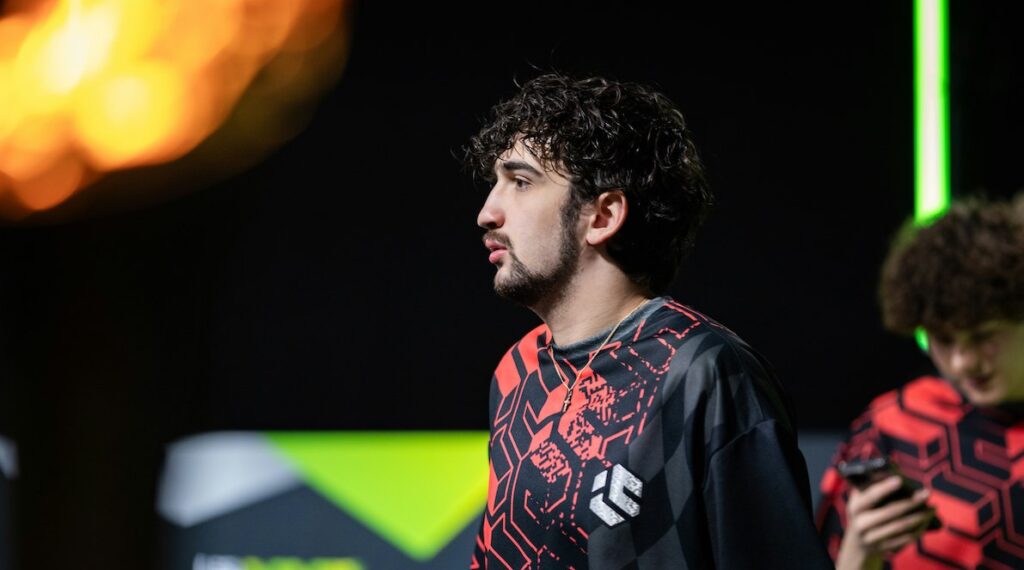
CS2 player Dmytro “nifee” Tediashvili received a four-year ban last month for intentionally manipulating his prop markets.
Officially claiming not to be betting products, companies such as Kalshi and Polymarket are not part of the IBIA’s monitoring system. They have recently declared opposition to insider trading; however. Additionally, US lawmakers have moved to limit sports and other markets that may be susceptible to manipulation.
The recent IBIA report, therefore, may only tell part of the story regarding whether match-fixing is a growing problem or being successfully tackled.