LOL
LOL CS2
CS2 Dota 2
 Valorant
 Fortnite
 Call of Duty
 Mobile Games
 Gaming
Esports should be scared: Reports say the Saudi’s PIF could pull out of LIV Golf

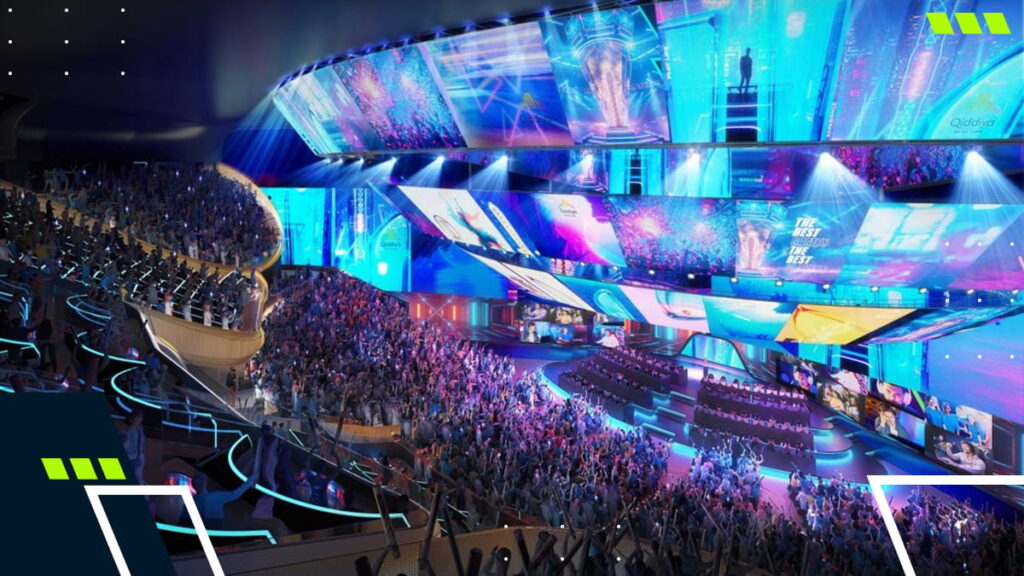
Reports broke yesterday from the Financial Times that Saudi Arabia’s Public Investment Fund is considering withdrawing support for the LIV Golf league. The report cites conversations with Middle Eastern sources as a direct response to the fund reassessing its 2026-30 goals.
Given the organization’s funding issues, it might be time for esports to worry. Before the PIF came to esports, we were entering a period known as the esports winter. The post-COVID market killed off tech’s highs, and investment funding for gaming and esports began to dry up. Throw in the rise of AI bubbles and most funding went that direction.
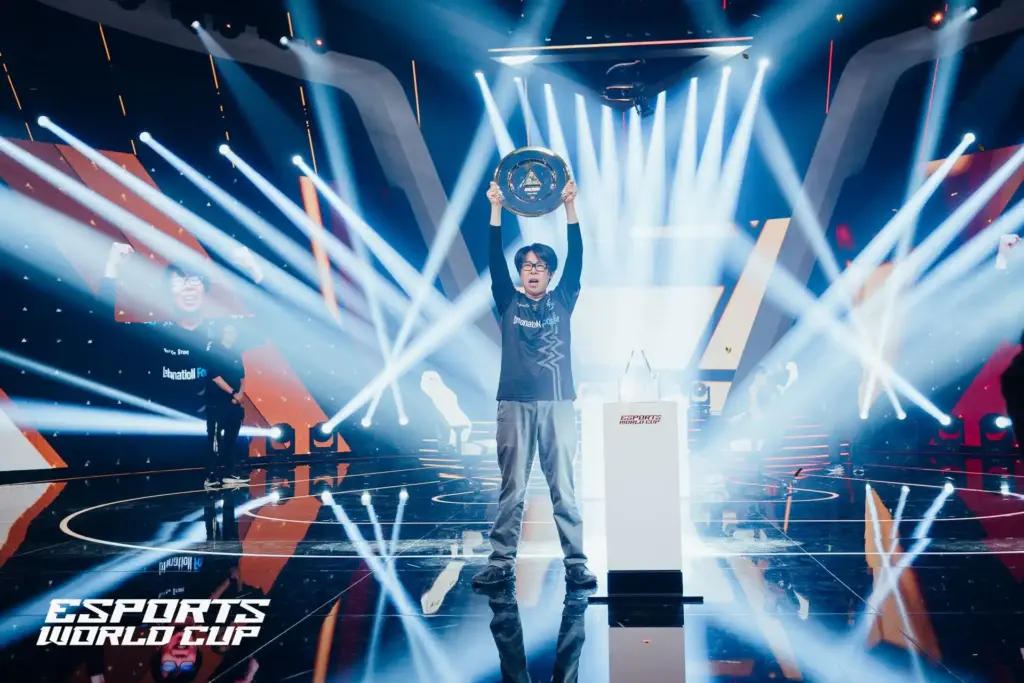
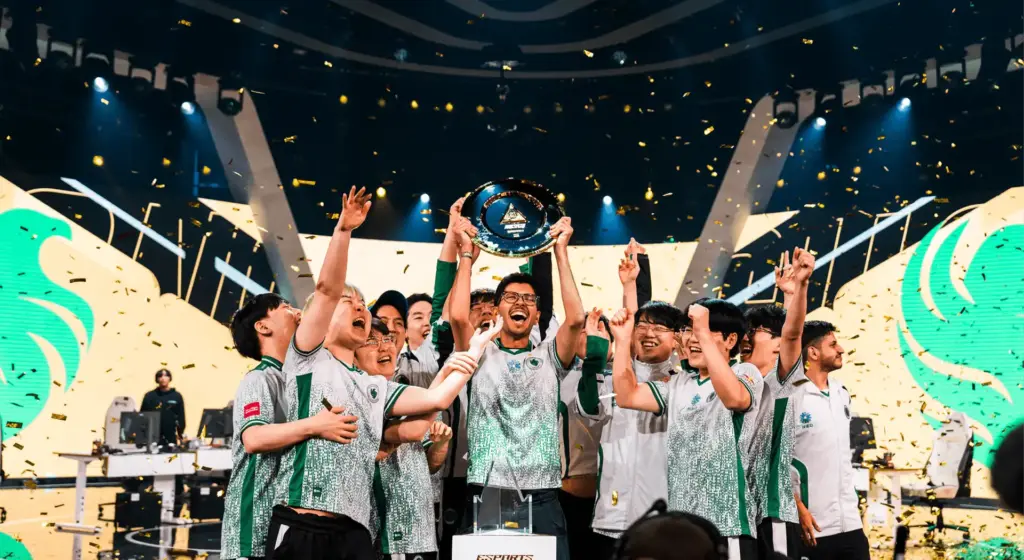
It left esports in a fickle state, one the PIF was more than happy to address. Later that year, the very first Esports World Cup took place in Riyadh, offering a lifeline for teams to secure funding, invest in esports, and focus on everyone there. It’s all part of the sportwashing phrase you may have heard of.
For the most part, that and iGaming sponsorships have proven fruitful for most esports organizations, keeping the lights on. Or at least taking on the decline in incoming capital.
What this created is a reliance on Saudi bags to come in and pick up where dying VC left.
Too much reliance on Saudi Arabia could create Esports Ice Age
With the reliance on Saudi money, it means that the ecosystem becomes dependent on that money. The Saudis having that much control over organizations, and even leagues via ESL FACEIT Group and other properties means if the bag stops, then esports will have a serious problem.
We’ve even seen glimpses of this before. ESL has seen layoffs while owned by the Saudi regime, with many in 2025, among years before that too. It’s part of cost-cutting measures where it can.
We reported back last year that Saudi’s investment is tied to the oil the nation produces, and for the most part, the balance was in the red. That’s even with oil price hikes since 2022, thanks to geopolitical issues. It was estimated that Saudi Arabia needed around $100 barrels to make a profit, something that it failed to achieve consistently over a three-year period at the time.
The fuel crisis threatens Saudi finances
And while oil is certainly spiking thanks to the Iran-US-Israel conflict, it occurring on its doorstep means there are serious shortages and money investment issues, ones that it cannot control despite benefiting from barrel prices.
A price and shortage this high can see the kingdom lose significant revenue due to supply, production, and willingness to buy being lower. Many nations are already reporting rationing issues. As reported by ITV’s Robert Peston, “ministerial and industry sources say the UK is two or three weeks away from shortages of diesel and jet fuel.”
Other nations in the eastern hemisphere like Singapore, Pakistan, and Australia as examples face even worse situations with oil. According to JP Morgan’s analysis: “If Brent prices remain elevated through mid-year, global GDP growth for the first half of 2026 could be depressed by an annual rate of 0.6%.”
The firm also notes that “the market is shifting from pricing pure geopolitical risk to grappling with tangible operational disruption, as refinery shutdowns and export constraints begin to impair crude processing and regional supply flows.”
This is a fuel crisis, and one that Saudi Arabia cannot profiteer entirely from while running extreme deficits with its Vision 2030 projects.
What this means for esports
The sign that a fully funded golf league funded via Saudi Arabia till 2030 could still be ended at a whim could indicate other things could come from this. It won’t just target golf… It could target gaming, esports, boxing, F1, and many other sports the Saudis have a say in.
Esports is at a very vulnerable stage right now. Though the saving grace is the new Esports Nations Cup running this year for the first time. That new project could very well be the saving grace taking a bullet for esports.
It could also signal its doom if it’s pulled.