LOL
LOL CS2
CS2 Dota 2
 Valorant
 Fortnite
 Call of Duty
 Mobile Games
 Gaming
Valve is facing two more lawsuits over its loot boxes


Legal firm Hagens Berman has filed a second complaint against Valve over the use of loot boxes in its games. The complaint has been filed on behalf of users in Washington and Texas.
The lawsuit repeats the same claims as the complaint filed against Valve earlier this month.
It alleges that most loot box openings yield worthless items, given the $2.49 cost. Instead, users are gambling on the chance to win a rare, high-value item when they pay to open boxes.
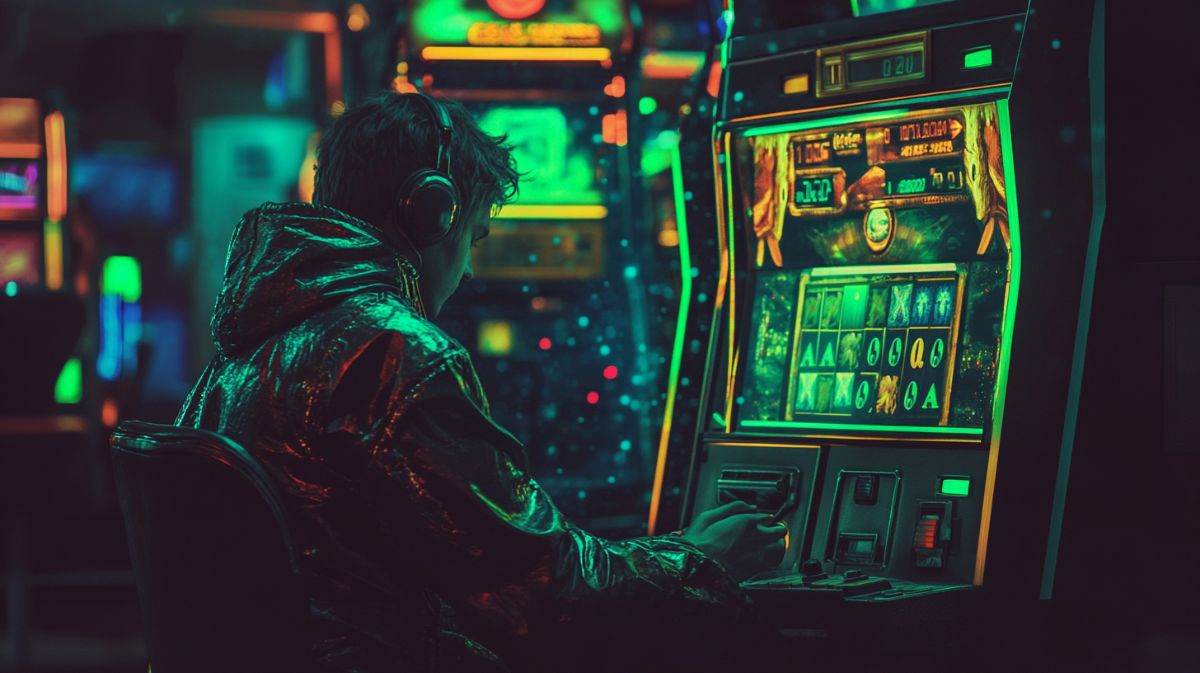
“Players buy and open loot boxes for the same reason people play slot machines — the hope of a valuable payout,” said the complaint.
New Plaintiffs, Same Lawsuit
The new lawsuit has been filed on behalf of Ivan Galas, a Washington resident. It states that over the past three years, Galas paid to open loot boxes in Counter-Strike: Global Offensive and Counter-Strike 2.
The other plaintiff is Robert Brogan, a resident of Texas. He similarly paid to open boxes in CS: GO and CS2. In addition to buying the items for himself, he also bought them for his “underage son.”
The inclusion of a child in the complaint could ramp up pressure on Valve, accusing them of not only facilitating illegal gambling but also targeting minors. Although other than the one line mentioning that Brogan bought items for his son, it does not add any new claims related to minors.
The legal firm encourages others to join the action, writing on its website: “Did you or your child spend money opening loot boxes in Counter-Strike, Dota 2, or Team Fortress 2? Valve may have profited from illegal gambling — and children are among those most at risk,” before urging people to contact them.
The complaints do not disclose how much users spent on opening loot boxes. However, they are seeking damages on behalf of all users similarly situated. It claims that “the aggregate amount in controversy exceeds $5,000,000, exclusive of interest and costs”.
Valve Denies Claims
Valve has not responded directly to the claims filed by Hagens Berman, but did hit back at New York’s Attorney General Letitia James, who sued the company last month.
Valve denied that loot boxes are gambling, saying they are akin to popular products such as baseball or Pokémon cards.
The company also said it fights against third-party sites that use its items for gambling purposes.
In a statement on Steam, it wrote: “Valve does not cooperate with gambling sites. To date we’ve locked over one million Steam accounts that were being misused by third parties in connection with gambling, fraud, and theft.”
Roblox Lawyer Watching Closely
Adam Starr, General Counsel at Do Big Studios, one of the top video game companies operating on the Roblox platform, said he was closely monitoring the lawsuits against Valve.
In a post on LinkedIn, Starr said he was interested in whether the case would bring a different judgment if it involved Roblox and Fortnite.
He pointed to differences in jurisdiction, actual cash purchases, and secondary-market benefits between Valve games and Roblox/Fortnite.
Being based in Washington could count against Valve, as Starr noted, the state has one of the broadest definitions of gambling in the country. The state has secured payouts from sweepstakes casinos in the past, including $25 million from High 5 Games.
Roblox and Epic are both based in California, which also has strict gambling rules, though perhaps not as broad as Washington’s.
Roblox Also Faces Gambling Lawsuit
Starr also highlighted differences in how users purchase loot boxes, with Roblox and Fortnite using V-Bucks and Robux rather than directly buying keys with US dollars.
Finally, he noted that the complaints allege Valve profits off a secondary market where players can trade and buy/sell rare skins. This is prohibited by Roblox and Fortnite’s terms, says Starr.
However, Roblox is also facing a lawsuit alleging it facilitates the use of Robux on third-party gambling sites. The company denies it is responsible, but CEO David Baszucki has said he is not averse to the idea of incorporating gambling mechanics into the platform.
A judge in California has allowed negligence claims against Roblox to proceed in a lawsuit brought by a group of parents.