LOL
LOL CS2
CS2 Dota 2
 Valorant
 Fortnite
 Call of Duty
 Mobile Games
 Gaming
The VCT Pacific’s headset misuse warning is part of a bigger problem in esports


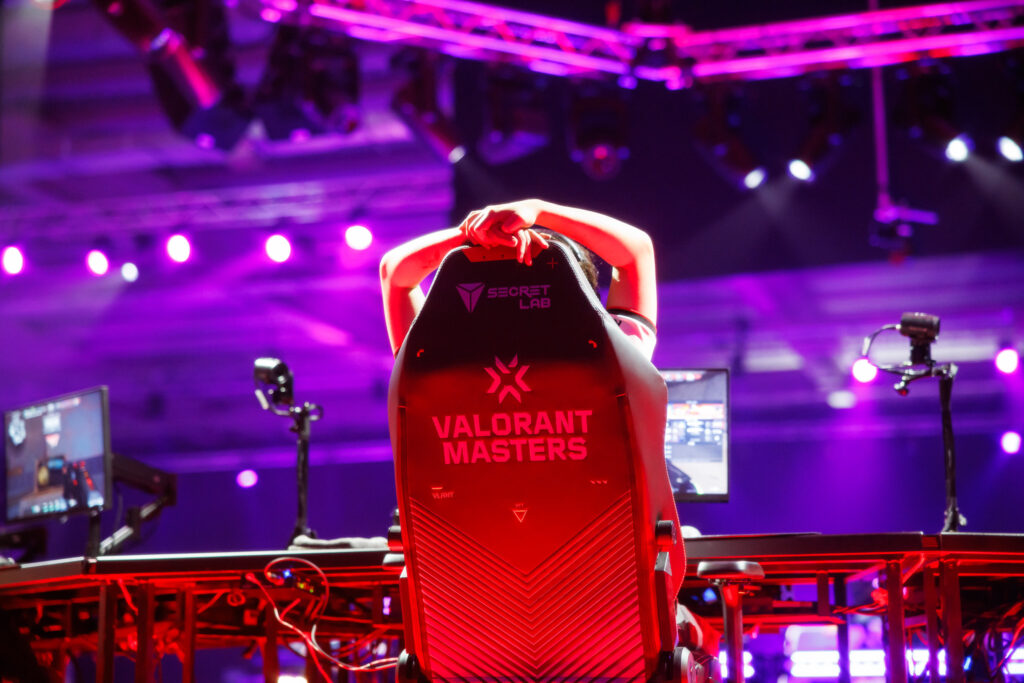
VCT Pacific has concluded its investigation into headset usage concerns raised by the community during Kickoff, issuing written notices to Gen.G’s Kim “Lakia” Jong-min and Team Secret’s Ko “Sylvan” Young-sub for improper equipment usage while implementing enhanced monitoring protocols moving forward.
The league reviewed gameplay footage and facecam recordings from all teams during the tournament and confirmed two instances of improper headset usage. GEN Lakia improperly wore his headset during Map 2 against DFM on January 23rd, while TS Sylvan committed the violation during Maps 2 and 3 against ZETA on February 5. The report is published on the VALORANT esports site, which you can read up on yourself.
The story picked up over the past few days, with a high-profile fan community in the APAC region realizing it had happened.
VCT Pacific stated that it found no evidence that the improper use was intentional or that either player obtained in-venue casting information for competitive advantage. Both teams lost the maps while wearing their headsets improperly.
In accordance with Section 2.3.7 (Audio Restrictions) of the VCT ruleset and the Penalty Index under “Unauthorized Removal or Use of Equipment” (First Offense), written notices were issued to both players. VCT Pacific warned that repeated offenses may result in additional disciplinary measures.
Making sure it does not happen again
The league has strengthened monitoring protocols through enhanced Player POV oversight and updated referee checklist procedures. All teams received precautionary notices reminding players that headsets must fully cover ears at all times and that referee approval is required before removing headsets.
VCT Pacific also addressed venue audio volume concerns, explaining its double-insulation setup where players wear in-ear monitors broadcasting team comms alongside headsets playing white noise to block external audio. Pre-event stage checks test audio at peak caster volume to ensure players cannot hear on-site casters distinctly.
The league confirmed it received no official reports from players regarding audio issues during live Kickoff matches. However, VCT Pacific is implementing enhanced protocols for Stage 1, including additional time allocation for more intensive rehearsal-based audio testing. Audio equipment setups will be stress-tested at peak caster volumes well above standard thresholds.
Operational teams will maintain the ability to adjust in-venue audio levels quickly if pro teams report issues during matches.
A quick history on problematic crowd calls
Riot needs to police this issue of headset cheating well. It’s right to issue a warning to the players because of it. Otherwise, competitive integrity is damaged. Yet it’s not something that can be entirely controlled.
VALORANT’s sister game, League of Legends, also recently had issues with “cheating.” The Americas Cup took place between teams not going to First Stand from North America’s LCS rep, Cloud 9, and the Brazilian CBLOL rep, Furia. You can hear the crowd chant baron around 13:24, just seconds after the timestamp we linked to in the video below.
During the finals, the video confirmed that players could hear the crowd screaming calls even with the headset properly in place. This is certainly no fault of any players on that stage, but it does call into question competitive integrity in Riot’s tournaments, where crowd cheering and audio feedback loops accidentally reach players.
Even Counter-Strike: Global Offensive had this very same issue in 2017 during a time where the crowd got bigger and noisier. That affected hype and anticipation of big play moments in round-to-round action.
Measures have ranged from using hanging stages away from crowds for soundproofing to adding sound-absorbing panels around stages and booths to limit crowd interference. But it simply comes down to the fact that esports does not have the money for crazy things like that. And it isolates players and bubbles them away from that live-crowd feeling of big matches.
Crowd chanting, screaming, and caster calls will always remain a problem in esports. Maybe make sure you wear your headsets properly, as it’s pretty obvious and the most basic way of cheating in live esports. No wonder Riot gave them a warning.