LOL
LOL CS2
CS2 Dota 2
 Valorant
 Fortnite
 Call of Duty
 Mobile Games
 Gaming
New study links loot boxes to gambling problems, substance abuse, and mental health issues

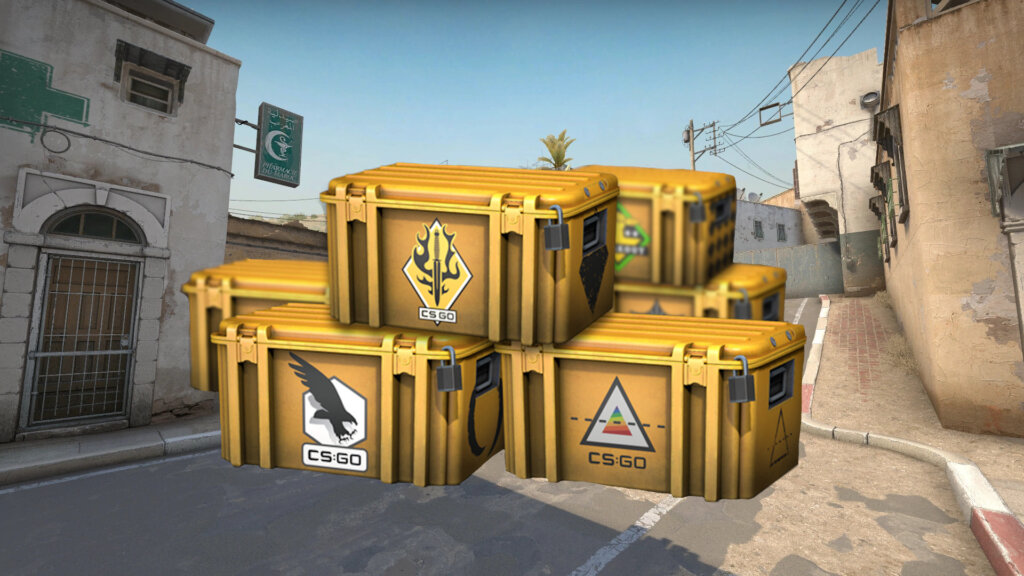
A new study has shown that buying loot boxes in video games is linked to a wide range of problems, including substance abuse, gambling, and mental health issues.
Researchers in Canada studied 3,709 adults who both gambled regularly and played video games. Around half of the participants reported purchasing loot boxes.
The loot box purchasers were more likely to report depression, anxiety, substance use disorders, and other mental health problems. They were also much more likely to report excessive video gaming and other addictive behaviors, including problem gambling.
Gaming and Gambling Intertwined
The team of researchers, headed by Hyoun S. Kim of Toronto Metropolitan University, noted, “gaming and gambling have increasingly become intertwined”.
“Loot boxes are perhaps the most well- recognized example of this ongoing convergence between gaming and gambling, with evidence supporting the links to initiation to gambling and problem gambling severity,” the paper added.
Starting last month, games that include loot boxes are being rated 16 in Europe amid concerns they encourage underage gambling.
The Canadian researchers said their study adds to the evidence that “both frequency and expenditure of loot box purchasing is associated with problem gambling severity”.
Loot Box Purchasers Have Wide Range of Issues
The full range of issues that were more prevalent among loot box purchasers included:
- Substance use disorders
- Depression
- Anxiety
- Bipolar disorder
- Panic attacks
- Schizophrenia
- Bulimia
- Excessive video gaming
- Excessive sex/pornography use
- Excessive shopping
- Excessive exercise
- Excessive social media use
- Excessive internet use
Lawsuits against video game companies have blamed them for causing a range of problems in children. Parents have particularly targeted Roblox, Valve, Minecraft, Fortnite, and Call of Duty for creating addictive games.
Countries Clamping Down On Loot Boxes
As more research suggests that buying loot boxes is linked to a range of problems, countries have started clamping down on games that encourage the randomized purchases.
In addition to the increased age limit in Europe and lawsuits in the US, Brazil fined several gaming companies millions of dollars last month.
Companies, including Riot Games and Valve, had to pay a total of $60 million over the presence of loot boxes on their platforms.
According to the ruling, loot boxes resemble gambling and expose children and adolescents to risks of compulsive behavior and commercial exploitation.
The researchers in Canada emphasized that their study did not show that loot boxes cause gamers to develop gambling problems.
They stressed that “it is not possible to determine whether in our sample, loot boxes influenced the transition to gambling or vice versa.”
However, there are increasing suggestions that children who start buying loot boxes will develop gambling problems later in life.