Is Esports A Sport? The Debate Explained (2026)

The question “Is esports a sport?” has shifted from a niche internet argument to an important topic in global sports talk. As competitive gaming reaches milestones that rival the most prestigious athletic events, the esports debate is no longer about potential—it is about reality.
The esports vs. traditional sports debate affects athlete visas, school funding, and how pro gamers are perceived in society. In this article, we examine how high-level gaming has earned its place alongside traditional sports in the eyes of the Olympics and global governments.
- 1. Understanding Esports As A Sport: What Defines An Athlete?
- How Esports Qualifies As A Sport
- 2. Why Esports Should Be Considered A Sport
- Arguments for Esports Being a Sport
- 3. Arguments Against: Why Some Say Esports Is Not A Real Sport
- Key Arguments Against Esports Being Considered A Sport
- 4. Esports vs. Traditional Sports Comparison
- Differences Between Esports and Traditional Sports
- 5. Official Esports Recognition Around The World
- Major Milestones In Recognition
- 6. Why The Classification Matters
- 7. FAQs
Understanding Esports As A Sport: What Defines An Athlete?
What makes esports a sport? To answer this question, we must first evaluate the core pillars of any actual sport: organization, high-level skill, and structured competition. In 2026, the definitions are being tested by a digital ecosystem that is often larger than many physical leagues.
How Esports Qualifies As A Sport
When looking at the esports/sport recognition criteria, the industry hits almost every mark:
- Skill Application: Professional gaming requires high-level cognitive processing and strategy that mirror those of mathematics and physics.
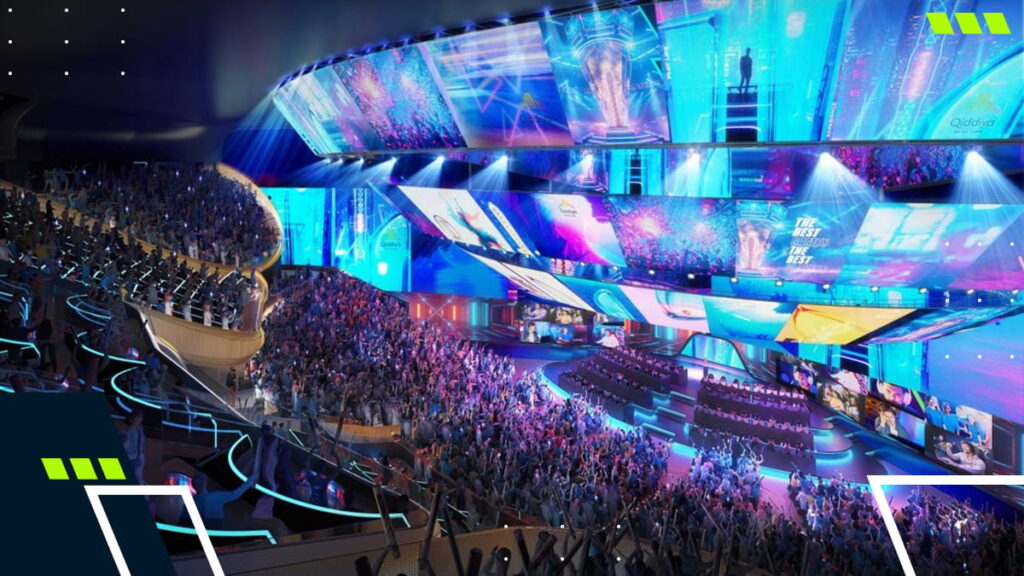
- Scale of Competition: Major esports tournaments can now fill 20,000-seat arenas, rivaling traditional sports in both live attendance and global viewership.
- Institutional Structure: Bodies such as the Esports World Cup Foundation have established a formalized system.
While traditional athletics prioritize “gross motor” movements like running, modern definitions are expanding to include activities requiring intense discipline and dedication.
Why Esports Should Be Considered A Sport
Proponents of the “esports is a sport” movement argue that the mental and physical demands on pro players are undeniable. Professional gaming demands the same level of strategy and focus as elite athletics.
Arguments for Esports Being a Sport
- Discipline and Training: Pro gamers often practice for 9–12 hours a day. Their training includes strategy sessions, film reviews, and physical fitness training to improve reaction times and overall health.
- Physical Response: During high-stakes matches, an esports player‘s heart rate can hit 160 BPM, similar to that of a marathon runner or a high-level soccer player.
- Inclusivity: Unlike many physical sports, competitive gaming allows individuals to compete on equal footing, regardless of gender or physical ability.
In 2026, the educational value of gaming is also a huge factor. Instructors use it to teach STEM disciplines, network infrastructure, and game design, thereby validating the activity’s academic value.
Arguments Against: Why Some Say Esports Is Not A Real Sport
Despite the industry’s booming growth over the last two decades, some parts of the world still firmly answer “no” when asked whether esports is a real sport. Understanding both sides of the debate over whether esports is a sport is key to predicting the industry’s direction.
Key Arguments Against Esports Being Considered A Sport
- Lack of Physicality: The most common reason why esports is not a sport is the absence of “whole-body” movement. You can argue that sitting at a desk cannot be compared to the physical activity of a pitch.
- Ownership Gaps: Unlike soccer, where no one “owns” the ball, a game like League of Legends is private property. This creates a regulatory gap because a corporation can change the rules at any time.
- Digital vs. Physical: Traditionalists maintain that separating physical sports from esports respects the unique histories of certain sports.
Esports vs. Traditional Sports Comparison
When you think about major titles like League of Legends (LoL) or Counter-Strike 2 (CS2), you might see them as the modern siblings of Chess. Much like a Grandmaster staring at a board, a pro gamer is constantly calculating hundreds of “what-if” scenarios every minute.
However, these digital battles add a layer of high-speed pressure that is more like darts or archery. While your body remains in a chair, your hands can perform over 400 actions per minute (APM) with extreme precision.
Differences Between Esports and Traditional Sports
| Feature | Soccer | Tennis | Chess | LoL | CS2 |
|---|---|---|---|---|---|
| Effort Type | Gross Motor (Aerobic) | Gross Motor (Anaerobic) | Mind Sport (Cognitive) | Fine Motor (Precision) | Fine Motor (Reaction) |
| Actions Per Minute (APM) | Low (Strategic Pacing) | Medium | Variable (Blitz is High) | 250–400 APM | 250–400 APM |
| Strategy Level | High (Field Tactics) | High (Positioning) | Extreme (Calculation) | Extreme | Extreme |
| Governing Body | FIFA (Non-profit) | ITF/ATP (Non-profit) | FIDE (Non-profit) | Riot Games | Valve |
| Common Physical Strain | ACL / Hamstring | Rotator Cuff | Mental Burnout / Back | Carpal Tunnel / Wrist / Shoulder and Back injury | Carpal Tunnel / Wrist / Shoulder and Back injury |

Official Esports Recognition Around The World
The landscape of official Esports recognition has changed significantly from 2025 to 2026. Governments and international bodies are increasingly integrating esports games into their sports ecosystems to reach a global audience of hundreds of millions of viewers.
Major Milestones In Recognition
- Olympic Esports Games (IOC): The International Olympic Committee launched the Olympic Esports Games initiative and announced a 12-year Saudi partnership in 2024, but that partnership was ended early on October 30, 2025, with the IOC saying it will pursue a new approach
- Asian Games 2026 (Japan): The Olympic Council of Asia confirmed 11 esports medal titles for Aichi-Nagoya 2026, including Mobile Legends: Bang Bang, League of Legends, and Tekken
- India’s Budget (AVGC labs): India’s Union Budget 2026–27 proposed AVGC Content Creator Labs in 15,000 secondary schools and 500 colleges
- Esports Nations Cup funding: The Esports World Cup Foundation announced a $45 million funding commitment for the inaugural Esports Nations Cup in 2026, including support for national-team development
- Germany non-profit recognition: Germany’s Tax Amendment changes add esports as a recognized non-profit purpose in tax law from 2026, enabling tax advantages for eligible clubs (with conditions).
Why The Classification Matters
The debate about whether esports should be considered a sport is not just academic. It has tangible consequences.
Recognition unlocks structural support that was once fragmented. For example, formal recognition provides a foundation for safeguarding practices, ensuring player health is prioritized in a regulated environment.
From a commercial perspective, the M7 World Championship (Jan 2026) reached over 5.68 million concurrent viewers, demonstrating that it rivals traditional sports in fan engagement.
FAQs
Is esports a sport in the USA?
Yes, in a legal sense. The U.S. government recognized professional gamers as athletes, granting them P-1A Athlete Visas to compete internationally.
Why are esports called a sport?
Esports are often referred to as sports because they mirror traditional sports in their professional leagues, coaches, standardized rules, and the extreme discipline required to compete at a high level.
What is the difference between sport and esports?
The primary difference is the physical movement. Traditional sports usually use “gross motor” skills, while esports use “fine motor” skills (reflexes and precision clicking).
Is gaming technically a sport?
Gaming can technically be considered a “mind sport” or precision sport. Like archery, it relies on intense hand-eye coordination and cognitive strategy rather than running or jumping.
Are mobile games considered real esports?
Yes, titles like Mobile Legends: Bang Bang are even featured as official medal sports at the 2026 Asian Games.