LOL
LOL CS2
CS2 Dota 2
 Valorant
 Fortnite
 Call of Duty
 Mobile Games
 Gaming
Riot has almost made League of Legends esports sustainable. Hint: they had to stop taking themselves so seriously
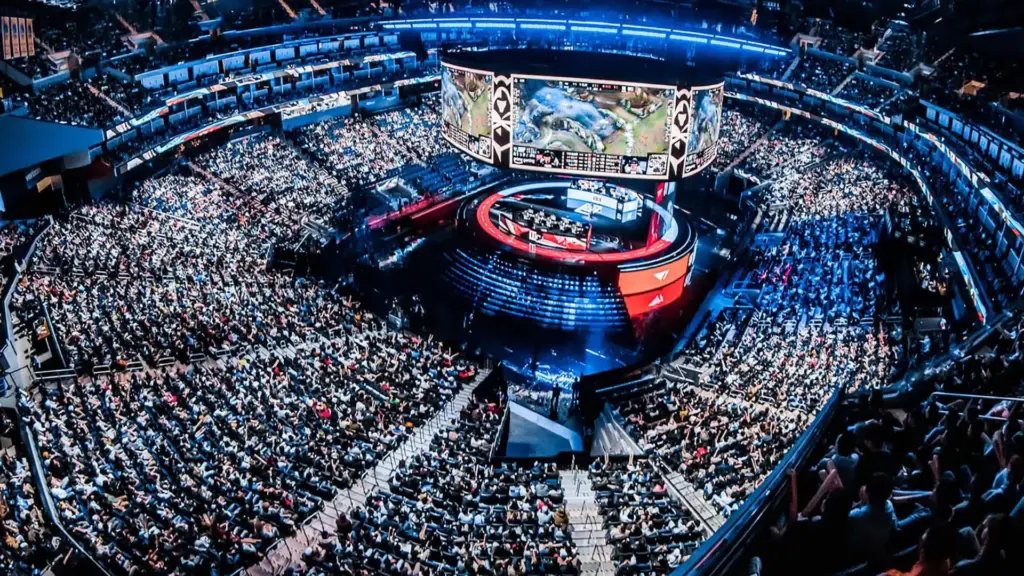
For a long time, the running joke in the gaming world was that esports is just a massive, incredibly expensive black hole for cash. Publishers threw millions of dollars at giant stadiums, flashy trophy ceremonies, and broadcast production values that rivaled the Super Bowl, all while whispering, “It is great marketing, we promise.”
Riot Games, the masterminds behind League of Legends and VALORANT, operated under that exact mindset for years. Esports was essentially a giant commercial to get you to log back into the client and buy a cool new skin.
But according to John Needham, Riot’s Head of Publishing and Esports, the era of the expensive marketing stunt is coming to an end. Riot is on the verge of doing the unthinkable: actually breaking even on competitive gaming.
Trading Corporate Blazers for Digital Bling
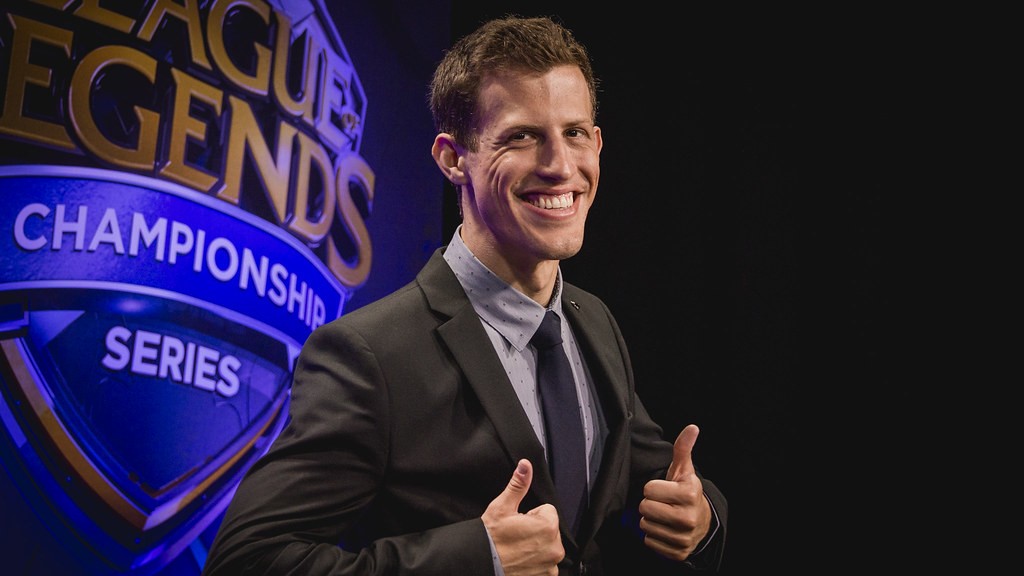
If you watched competitive League of Legends a decade ago, you might remember how Riot tried desperately to mimic traditional sports. They put commentators in stiff corporate blazers, used serious news desks, and tried to act like they were ESPN.
Needham recently laughed about this approach while speaking with Games Industry.biz, noting that players immediately hated it. Fans wanted casters who acted like gamers, not buttoned-up news anchors.
“Very quickly, our players didn’t want that. They wanted our casters to be having fun, to be talking about our esports like gamers would, to be not so serious and buttoned up,” he said.
Once Riot loosened the tie and leaned into gaming culture, the business model started to shift, too. When the global pandemic triggered a bit of an “esports winter” that dried up traditional corporate sponsorships, Riot stopped relying so heavily on big-name brands to foot the bill.
Instead, they leaned into what gamers actually love to buy: digital goodies. By selling in-game items tied to esports events, Riot unlocked a goldmine. Last year alone, they shared over $100 million in digital revenue with teams on the VALORANT Champions Tour.
Turns out, fans are way more likely to buy a glowing virtual knife to support their favorite squad than they are to buy whatever car insurance company was sponsoring the pre-game show.
Letting the Teams Out of Their Cages
Historically, Riot kept a pretty tight leash on its competitive ecosystem. If you wanted to run a tournament using their games, you had to jump through a mountain of bureaucratic hoops. But to achieve true financial sustainability, Riot had to change its stance.
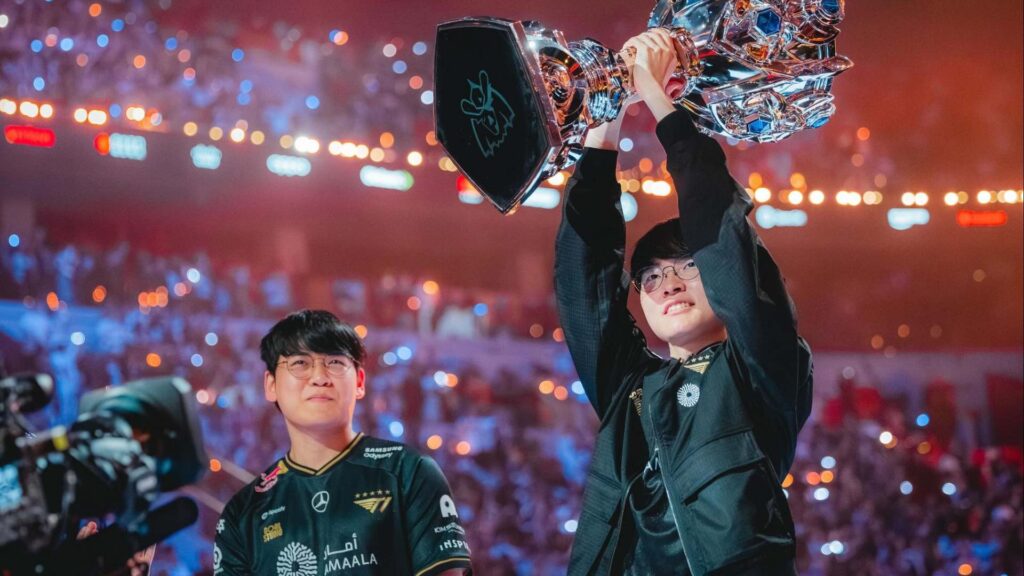
They are becoming way more liberal with letting organizations do their own thing. Teams like South Korea’s T1 and France’s Karmine Corp are now running their own local events, and Riot is letting players participate in third-party tournaments much more freely.
By easing up on the control-freak tendencies, Riot is allowing esports organizations to actually build independent businesses. Combined with the massive revenue sharing from in-game cosmetics, the teams are suddenly in a much healthier financial spot.
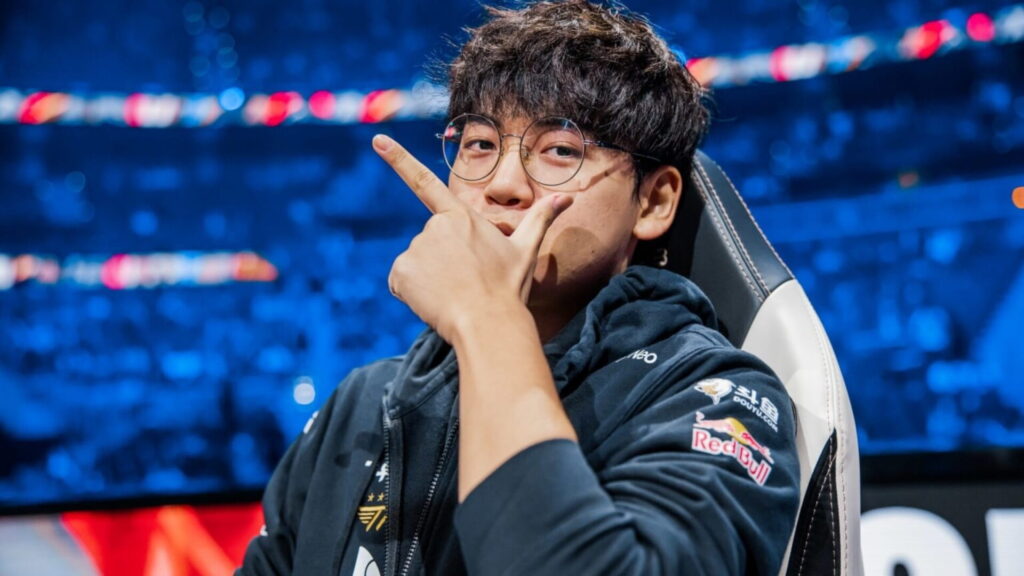
Riot has also tried to integrate itself into existing esports ecosystems and fandoms, rather than creating its own.
“There’s a pre-existing circuit of esports events like Evo,” Needham explained. “As we think about esports for our games, we want to think about esports in a way that is super authentic to our community and do it in a way that the community expects. The fighting game community expects you to participate in these circuits that they love so much.
“We’re really investing in how we can show up at Evo in a great and authentic way that the fighting game community expects. It’s another variation of esports for us.”
The Ultimate Goal is Free Advertising
While the ultimate dream is for the esports division to be completely self-sustaining, Riot is not losing sight of why they started this whole circus in the first place. About 60% of people who tune into a Riot esports broadcast do so because they want to learn how to play the game better.
The broadcasts are intentionally technical because they serve as a massive masterclass for the community. Viewers watch a pro player pull off a ridiculous play, feel a sudden surge of inspiration, and immediately boot up the game to try it themselves.
If Riot can get its esports division to break even as a standalone business, it means they get the world’s most effective player engagement engine entirely for free. With a fighting game out, a massive year teased for VALORANT, and the League of Legends hype train still chugging along, the dream of a profitable esports ecosystem might actually become a reality.