How To Siege High Ground In Dota 2: Mechanics, Timing, & Strategies Explained

One of the most effective ways to consistently gain MMR is to understand how to siege high ground in Dota 2. This is perhaps the game’s hardest objective, and many lower-ranked players throw their leads because they don’t understand that the offensive team is always less favored in these situations.
In this article, we’ll discuss everything there is to know about high ground sieges in Dota 2. From mechanics and preparation to decision-making, we’ll make sieging a lot less stressful.
Editor’s Note: Owen Harsono is an Immortal-ranked (SEA #1,770) Dota 2 player with years of high-level experience. His insights come directly from playing the top skill bracket, incorporating deep knowledge with practical advice that any player can apply in their own matches.
- 1. What Is The High Ground In Dota 2?
- 2. Dota 2 High Ground Mechanics To Understand Before Sieging
- High Ground Vision
- Low Ground Miss Chance
- Bonus Armor From Towers
- Buyback Positional Advantage
- 3. When Should You Attempt To Push High Ground In Dota 2?
- Have A Significant Lead
- All Outer Towers Should Be Destroyed
- Multiple Lanes Are Pushed In
- Roshan Advantage
- Key Item Timings Achieved
- Enemy Heroes Are Dead (With Buyback Status Known)
- 4. How To Prepare The Map Before A High Ground Siege In Dota 2
- Secure Roshan
- Clear All Outer Towers
- Fix the Lanes
- Establish Deep Wards
- Pro Tip: Farming Aegis vs. Sieging Aegis
- 5. How To Execute A High Ground Siege Step by Step
- 6. Best Heroes For Sieging High Ground In Dota 2
- 7. Itemization That Makes High Ground Sieges Easier
- 8. FAQs
- 9. References
What Is The High Ground In Dota 2?
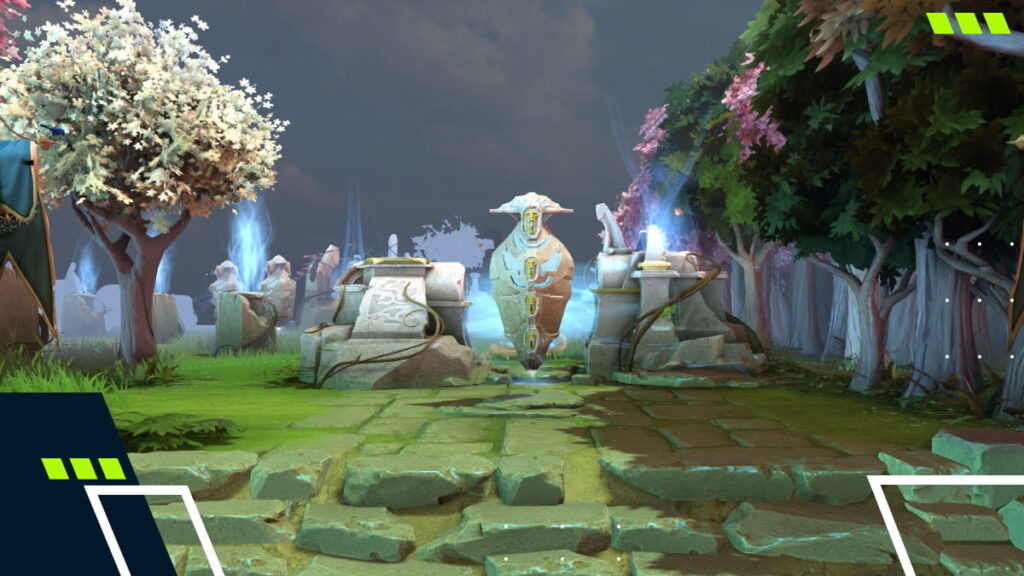
In Dota 2, “high ground” refers to the deepest area of the enemy base.
Here, you’ll find Tier 3 towers, Barracks, Tier 4 towers, and the Ancient. You can’t skip it either—it’s required to win any Dota 2 game. As a result, it’s important to understand the concept of high ground, whether you’re attacking or defending.
Still, no matter how large your gold lead is, high ground heavily favors the defending team, as there are multiple built-in advantages that make defending easier. This imbalance makes sieging naturally harder for attackers.
Dota 2 High Ground Mechanics To Understand Before Sieging
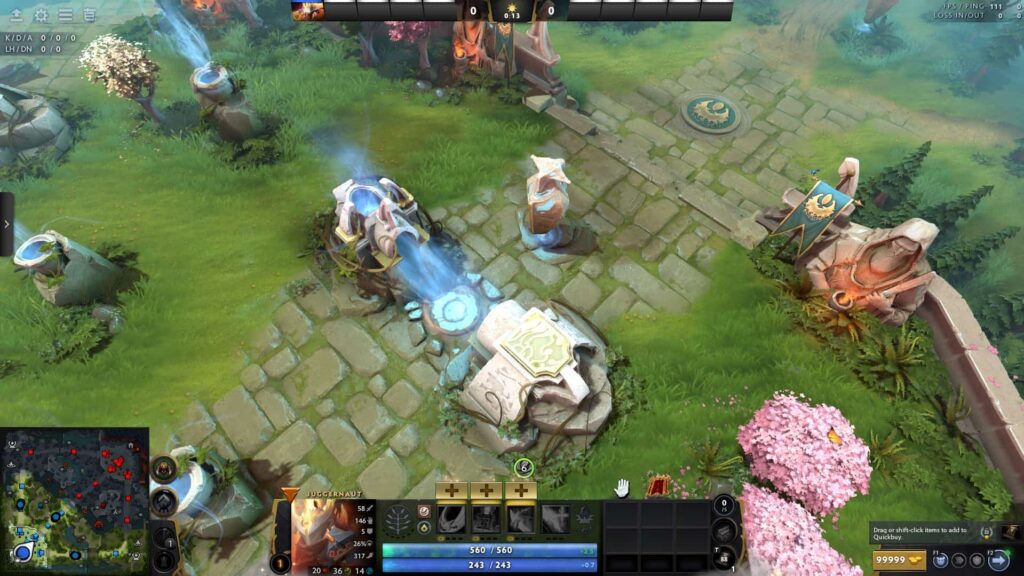
The concept of sieging the high ground is pretty simple. Teams that are ahead will be the ones pushing into an enemy team’s high ground. However, defenders have several advantages that allow them to become stronger when clinging to their base.
Here are the most important high ground siege mechanics you need to know in Dota 2:
High Ground Vision
Dota 2 features vision mechanics, where heroes on the low ground cannot see heroes on the high ground (unless they place a ward inside the enemy base). However, the opposite is true for the defenders. This naturally creates an imbalance in vision, making it harder for attackers on the low ground to make the first move.
Low Ground Miss Chance
In addition to the vision imbalance, heroes attacking from low ground have a 25% chance to miss targets uphill. This means that ranged heroes will only land 75% of their attacks when sieging or attacking enemy heroes, heavily reducing their outgoing damage.
Bonus Armor From Towers
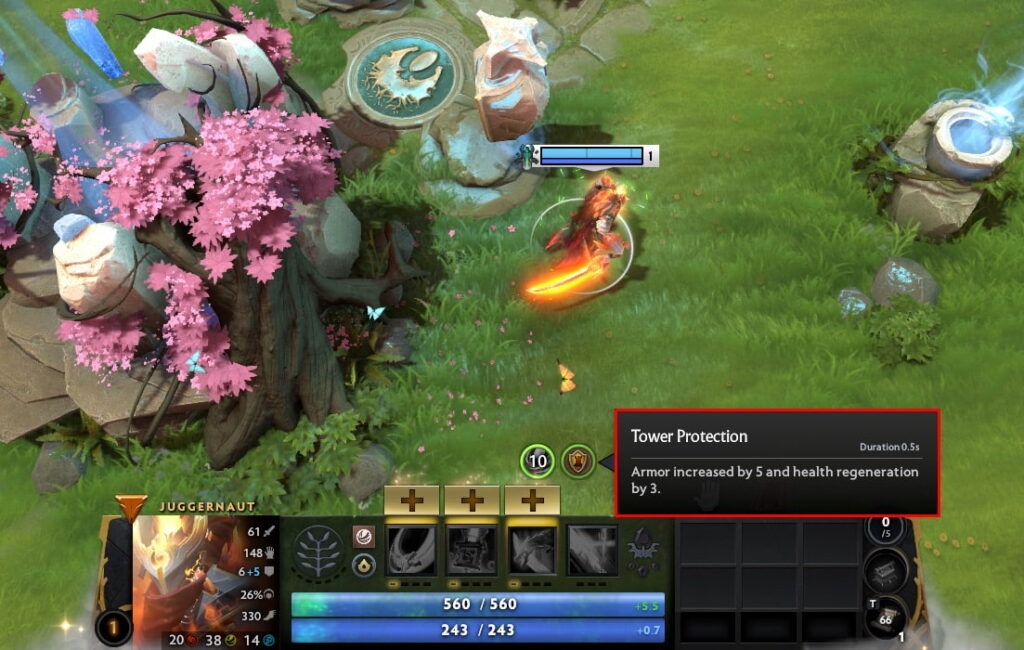
Though the numbers may seem small, it’s still worth noting that Tier 3 and Tier 4 towers grant nearby allies a bonus of 5 armor and 3 HP regeneration.
Buyback Positional Advantage
The most important and often overlooked advantage is buyback positioning. Defenders who die can buyback and immediately rejoin the defense within seconds. On the other hand, attackers do not have the same luxury.
If an attacker dies and buys back, the closest structure they can teleport to is the Outpost. It takes at least 10 seconds (usually much longer) to re-enter the fight—and by the time they arrive, the fight might be over already.
When Should You Attempt To Push High Ground In Dota 2?
In lower-ranked Dota 2 games, the most common area where throws happen is on the enemy high ground. Most of the time, a simple gold advantage is not enough to break into the enemy team’s high ground, as it is not enough to overcome all the defensive advantages we’ve discussed earlier.
Therefore, certain conditions have to be met before sieging high ground, and accomplishing them can heavily increase the chances of a successful push:
Have A Significant Lead
When you’re in the game, it’s difficult to judge how far ahead you are, since your net worth isn’t visible. So, one of the best ways to estimate your lead is to check experience levels instead. If your allies are around five or more levels ahead of their counterparts, your lead is probably big enough to attempt a siege.
All Outer Towers Should Be Destroyed
A game of Dota 2 should generally be taken one step at a time. Before proceeding to Tier 3 towers, it is highly recommended to destroy all Tier 1 and Tier 2 towers first. Doing so will drastically improve your map control and make it easier to choke the enemy team out of their side of the map.
Multiple Lanes Are Pushed In
When sieging high ground in Dota 2, it is incredibly important to have at least two lanes pushing into the enemy team’s base. This creates split pressure for the enemy team, as they are left scrambling to defend two sides. From this confusion, you can typically find an opportunity to get a good pickoff or deal heavy damage to one side.
Roshan Advantage
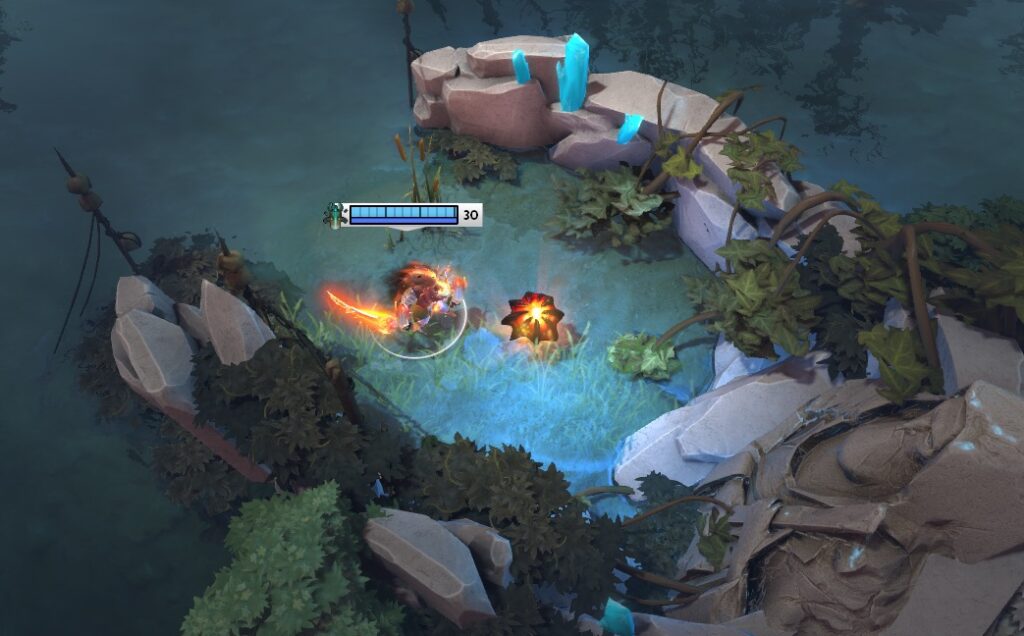
The best way to maximize the chances of a successful high ground push is to take Roshan–the game’s most important objective. He drops items such as the Aegis of the Immortal and Roshan’s Banner, which can come in very handy during a siege.
Key Item Timings Achieved
Before trying to breach the enemy high ground, make sure to finish item timings like Black King Bar or other damage or survivability items. Support items are also important, as Force Staff or Lotus Orb can make a world of difference for any carries caught off-guard.
Enemy Heroes Are Dead (With Buyback Status Known)
High ground pushes naturally become easier if there are fewer heroes to defend. However, make educated assumptions about whether dead enemy heroes have buyback. If you suspect they have buybacks available, do not overextend and tread carefully.
That said, remember that every game has different scenarios and states. Not all of these conditions have to be met, but having more will minimize the risk of a failed push.
How To Prepare The Map Before A High Ground Siege In Dota 2
If you’ve met most of the conditions listed above and are ready to give the enemy high ground a crack, there’s still more to prepare. It’s important to take care of the map before initiating the siege.
Securing Roshan is typically the first step, but it is important NOT to rush the process. Remember, Aegis lasts 5 minutes, so you can spend the first 2 minutes getting ready with three to spare for the actual push.
Make sure this checklist is cleared before you and the team gather to siege the enemy base:
Secure Roshan
The first step to a high ground siege should always be Roshan. Players below the Immortal rank in Dota 2 should make it a habit to always take Rosh before any high ground push. The Aegis and Roshan’s Banner heavily increase the chances of success.
Clear All Outer Towers
Many players fail to understand that there is really no need to rush high ground.
If there are still Tier 1 and Tier 2 towers standing, there’s a good chance your team is not ready to take high ground in the first place. If you haven’t taken weaker towers, what makes you think you’re ready to take stronger ones?
Most games follow the same process: the first Aegis should be used to clear out all outer towers, while the second one is used for attempting the high ground.
Fix the Lanes
Fixing the lanes is arguably the most important preparation for a high ground push.
To the uninitiated, “fixing” lanes refers to pushing them out closer to the enemy base. Ideally, you want the creeps to at least cross the bridge and have two of them shoved all the way in front of the enemy base.
Many situations occur where attackers get split-pushed by enemy heroes. Then, an ally teleports back to defend, while the split-pusher can teleport back home to defend. This creates a numerical disadvantage for the attacking squad.
Establish Deep Wards
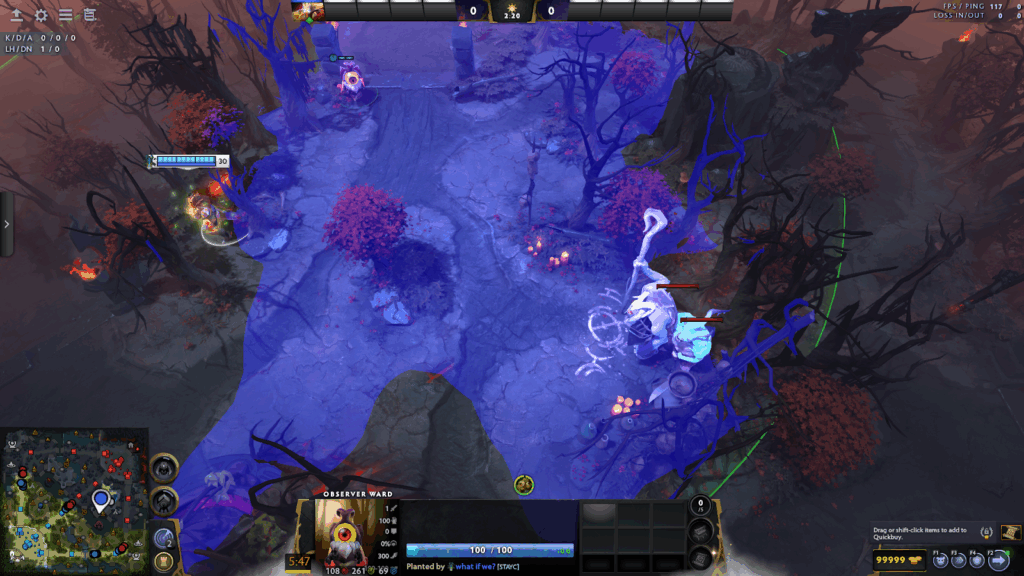
Wards win games. If you’re in the lead, make sure to accompany your supports and help them place deep wards in the enemy jungle.
Even if the high ground siege fails, you will still have established deep vision in enemy territory. In the case where your entire team backs off, you can start picking off enemy heroes that go outside their base, thinking it is safe, then convert this successful pickoff to another high ground attempt.
Pro Tip: Farming Aegis vs. Sieging Aegis
There are two ways to “use” the Aegis of the Immortal. One is to farm the map, and the other is to siege the enemy base.
The “farming” method involves using the 5 minute window to completely control the map. This means clearing the enemy jungle camps and starving enemies of their safe farm. For every minute that passes, your team will be farming dozens more camps than the enemy team, extending the gold and XP lead.
The “sieging” method is self-explanatory and should only be used if the team is confident in their chances of winning a fight despite all the natural advantages defenders gain.
This concept is why you will often see Tundra Esports and Team Falcons (two of the best Dota 2 teams in the world) claim the Aegis and “only farm the map.” While it might look like they’re wasting time, they are actually using the Aegis to minimize their chances of losing.
So, there really is no rush to break into the enemy high ground. There are other ways to increase your chances of winning without taking an enemy lane of Barracks.
How To Execute A High Ground Siege Step by Step
Once the map is prepared and your team is ready to give the high ground a shot, the siege should be neat and tidy. Here are the steps you need to follow to keep a siege attempt controlled:
Establish Your Tower Hitter
The first step is to clearly identify which hero on your team will hit the tower. This hero should deal high physical damage to bring down buildings. Normally, this will be your carry player, but it can also be your mid-laner.
Since this hero will be putting their body in front and hitting the tower, they should be the one with the Aegis.
Set Up Vision and Deward
Before the actual push, make sure that supports have dewarded enemy Observer Wards. Typically, defenders try to put down a ward in the middle of the lane to scout the backline. This is an area that must be cleared out before the push.
Hold Proper Formation
Once the siege begins, make sure to plan out a solid formation:
- Only the tower hitter should be sieging the base. No unnecessary heroes should be hitting the tower.
- Counter-initiators should stay hidden, making sure their Blink Daggers do not get canceled.
- Supports should stay behind the tower hitter, ready to provide immediate backup.
The team should not be stacked, as this can invite an Echo Slam or Black Hole. Spread out!
Back Up The Tower Hitter
When the tower hitter is going to town on the buildings, it is best to continue buffing them with items like Solar Crest and keeping them safe with Lotus Orb. Hurl all buffs to make the tower hitter as strong and survivable as possible.
Force Reactions, Not Fights
The high ground siege should be done slowly and steadily. Hit the tower, and try baiting out Glyph, ultimates, or buybacks. Avoid taking a head-on engagement on the high ground for reasons we’ve discussed above.
After forcing out any of these cooldowns, disengage and reset. Supports should help the team disengage with items such as Force Staff or Glimmer Cape.
Reset And Reassess
After baiting out cooldowns and disengaging, it’s time to reset. Here, rethink your decision to push the high ground and reassess your resources. If you feel like you’ve baited out enough, you can continue sieging knowing you have an advantage.
Best Heroes For Sieging High Ground In Dota 2
Some heroes are particularly good at hitting buildings in Dota 2. Here are some of the best siegers in the game:
| Hero | Reasoning |
|---|---|
| Lone Druid | Spirit Bear deals 30% more damage to towers. The real hero isn’t the one sieging, reducing any risk of dying. |
| Sniper | Has an incredibly high attack range to siege from a safe distance. |
| Drow Ranger | Has a relatively high attack range and an Aghanim’s Shard to negate uphill misses. |
| Tiny | Has extremely high physical damage and deals 60% bonus damage to buildings when holding a tree. |
| Juggernaut | Solid physical damage, Blade Fury to disengage and reset, and Healing Ward to keep himself healthy. |
| Troll Warlord | Can increase Fervor stacks and build up attack speed on towers. |
Besides dealing damage to towers, there are other ways heroes can contribute to a siege.
- Batrider, Pudge, and Magnus can pick off defenders and get quick kills.
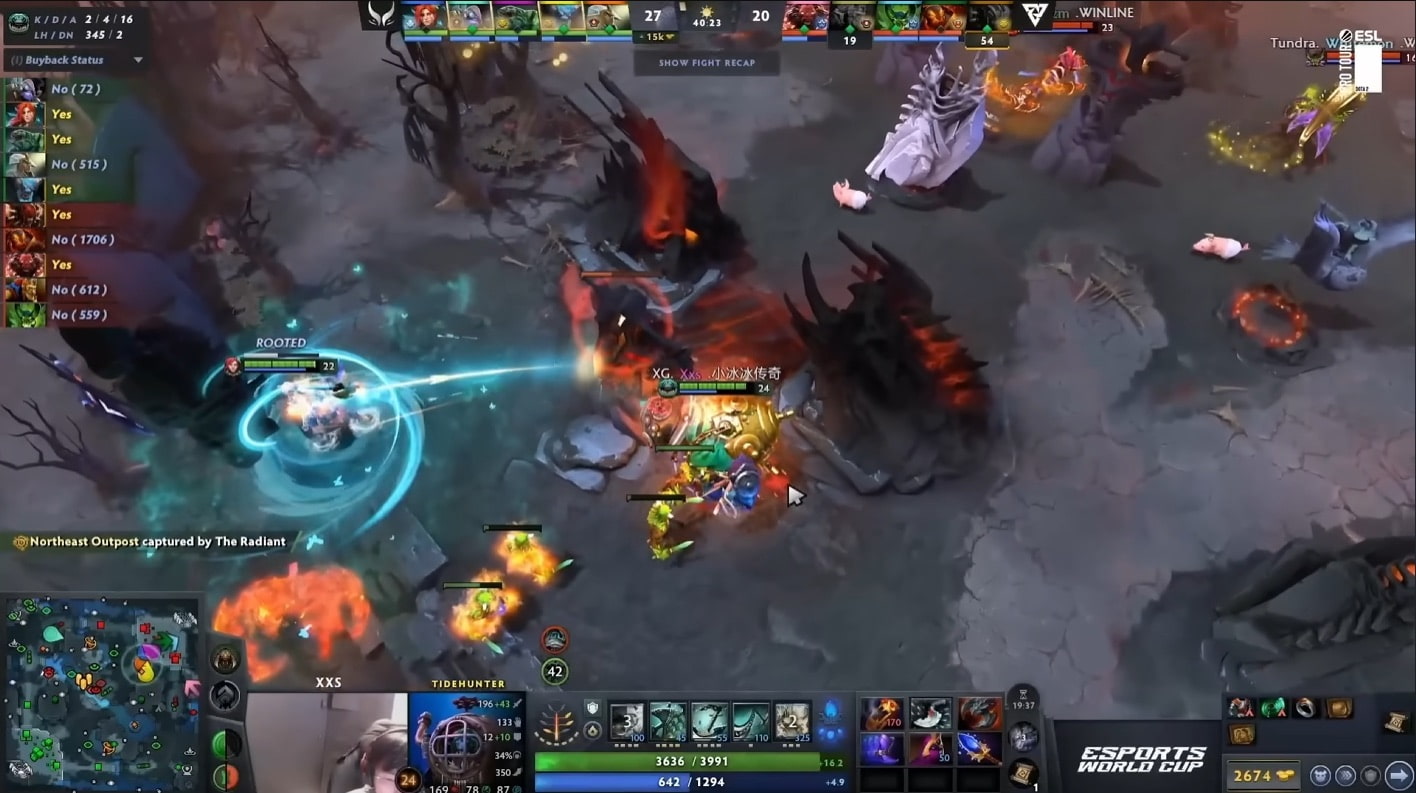
- Tidehunter and Centaur Warrunner can tank hits/spells and zone the enemies out.
- Invoker, Ogre Magi, and Io can buff the tower hitter with damage or attack speed.
Itemization That Makes High Ground Sieges Easier
There are several items that help increase the chances of pushing high ground. These items include:
- Black King Bar: Allows carries to confidently hit towers without the fear of getting chain-stunned or burst from one hundred to zero.
- Assault Cuirass / Desolator: Towers are difficult to bring down due to their high armor. These two items reduce armor, making it easier to deal damage.
- Helm of the Overlord: Helm provides attack speed aura to nearby allies, and also gives a summoned creep to deal extra damage.
- Aura Items (Pipe / Crimson / Greaves): These aura items place buffs on the entire team, helping them sustain enemy attacks and spells.
- Utility Items (Force Staff / Glimmer / Lotus / Solar Crest): Support items like these keep the team’s tower hitter safe and healthy.
FAQs
How do you push high ground in Dota 2 safely?
To push high ground safely in Dota 2, you’ll need to claim the Aegis, hit your item timings, and ensure the map state is in your favor.
What does uphill miss chance do during a high ground siege?
When should you avoid sieging high ground in Dota 2?
What heroes are best for breaking high ground defense?
Why is high ground so hard to push in Dota 2?
References
- such is life Overview (DotaBuff)