LoL Worlds: League of Legends World Championship

Editor’s Note: This hub is designed to give you a broad overview of the League of Legends World Championship. For full details on the latest Worlds event, including dates, format, and teams, be sure to check out our dedicated coverage page.
The League of Legends World Championship (Worlds) not only marks the culmination of the LoL competitive season, but is Riot’s most prestigious crowning event. It’s where regional storylines collide, rookies take their step under the brightest lights, and veterans fight to protect their legacies.
This hub pulls everything about LoL Worlds in one place, detailing what it is, how the format works, qualification paths, and which teams have built their legacies through the ages. We’ll explain how to watch the action, both from home and inside the arena.
- 1. What Is LoL Worlds?
- 2. How Do LoL Teams Qualify For Worlds?
- 3. How Does The LoL Worlds Format Work?
- Play-In
- Swiss Stage
- Knockout Stage
- 4. League of Legends Worlds Winners, Regions, And Records
- 5. How To Watch And Follow LoL Worlds
- Tickets and Travel
- Co-streams, Drops, and In-Game Rewards
- 6. League of Legends World Championship History
- 7. FAQs
- 8. References:
What Is LoL Worlds?
Worlds is League of Legends’ annual global championship—the place where the best teams from every region compete for the world champion title and Summoner’s Cup. At its core, it’s the tournament that every competitive season is ultimately built around.
Teams from every major region (including LPL, LCK, LEC, and LCS) converge in a month-long showdown to crown the best LoL team. It’s the only event where teams, metas, and playstyles collide at a scale and intensity unmatched anywhere else throughout the year.
How Do LoL Teams Qualify For Worlds?
LoL teams qualify for Worlds by earning regional slots through their domestic leagues and, in some cases, by boosting the region’s seeding through international events like the Mid-Season Invitational (MSI).
Each region gets a set number of Worlds spots, and teams fight over those seats across the season. In practice, qualification usually comes from:
- Split results: finishing high enough in the regular season and Playoffs
- Championship points: rewarding consistency across multiple splits
- Regional finals or gauntlets: last-chance brackets to lock remaining spots
Major regions send multiple teams directly into the main stage or Swiss Stage, while champions from smaller or emerging leagues often start from earlier phases like Play-Ins.
How Does The LoL Worlds Format Work?
The tournament format used at Worlds has evolved over the years, but the core idea has remained the same.
Earlier stages featured traditional double-round robin Group Stages followed by single-elimination Knockout Stages. More recently, however, Riot has introduced the Swiss Stage and Play-Ins to deliver a wider variety of international matchups without expanding the pool of qualifying teams.
Most recent iterations of Worlds follow a simple flow:
- Play-In
- Swiss Stage
- Knockout Stage
Play-In
The Play-In stage exists to provide smaller regions and lower seeds from major regions a pathway into the main event without guaranteeing them a direct spot in the Swiss round. Think of it as a filter that forces teams to prove they belong before facing tournament favorites.
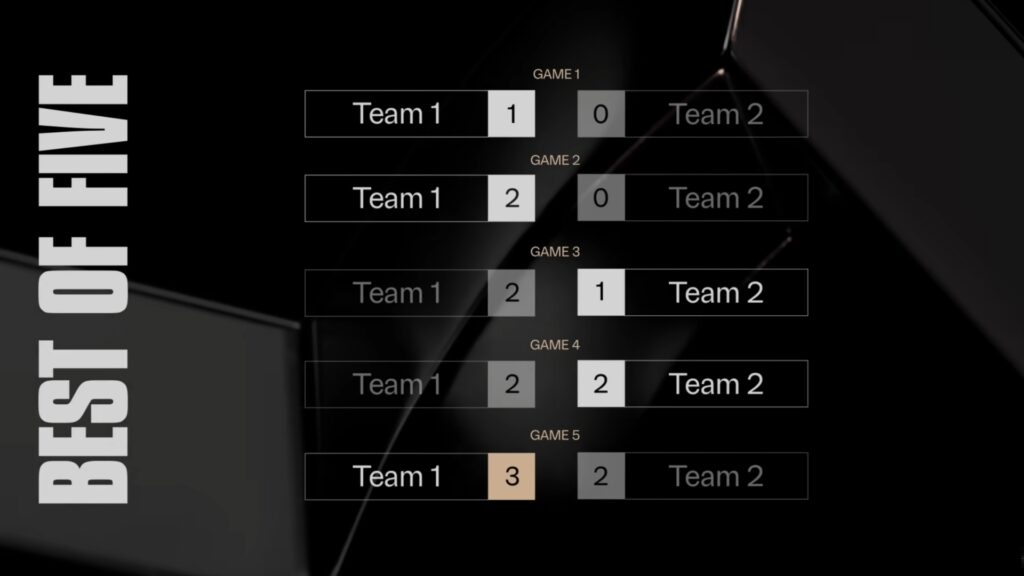
Earlier Worlds Play-Ins usually ran with multiple groups and extra seeds from minor regions, but that changed in 2025. The stage was stripped back to a single best-of-five series that decided the final team earning a spot in the Swiss Stage.
In 2022, for instance, Worlds used a two-team Play-In between the fourth seeds of the LCK and LPL. DRX famously started in Play-Ins (back when it had multiple teams) as Korea’s fourth seed before going on a miracle run all the way to the championship.
Swiss Stage
The Swiss Stage is where most Worlds teams finally meet—and where the field really starts to shrink. Instead of fixed groups, each round pairs teams based on their win-loss record, so you only face opponents with a similar score until you either qualify for the Playoffs or get eliminated.
In recent Worlds events (e.g., in 2024 and 2025), the rule was simple:
- 3 wins → you advance to the Knockout Stage
- 3 losses → you’re out of the tournament
That’s how you get very different paths through the same stage. A team can cruise to a 3–0 record and qualify quickly, while another might scrape through at 3–2 after surviving multiple elimination series. The 2–2 matchups usually turn into do-or-die games.
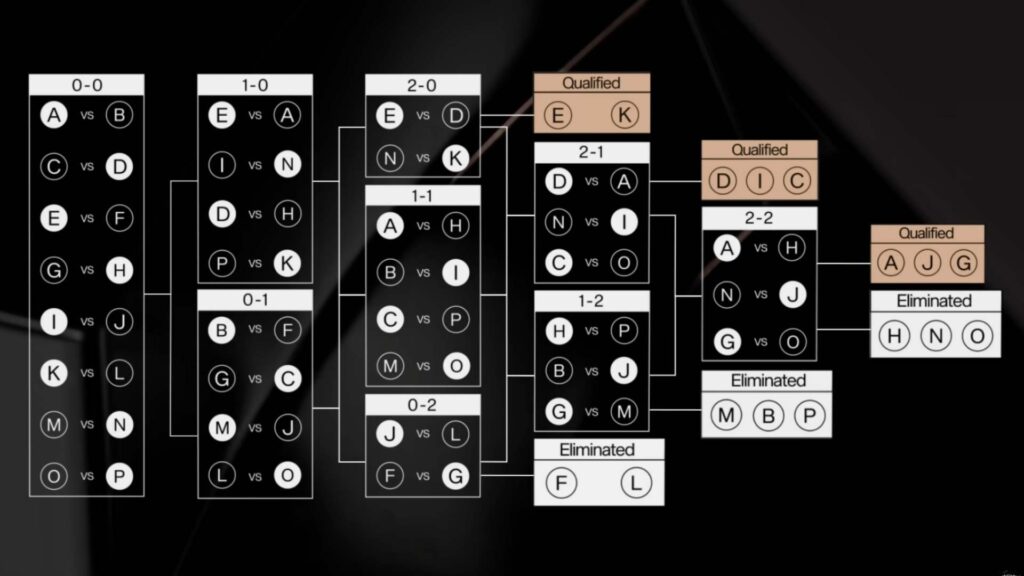
Ultimately, the Swiss system was Riot’s solution to prevent strong teams from exiting Worlds too early. By pairing teams with similar or identical records until they reach a set number of wins or losses, the Swiss system produces more meaningful cross-region matchups and reduces the frequency of outright stomps.
Knockout Stage
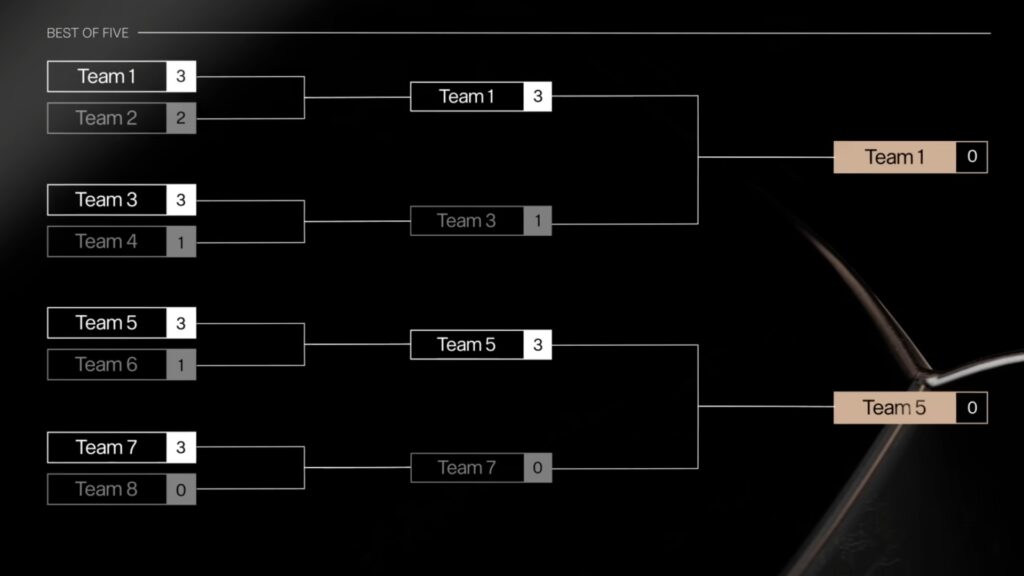
The Knockout Stage is a simple single-elimination bracket in which eight teams play a best-of-five series until only one remains standing. Once you reach this stage, there are no second chances: lose a series, and your Worlds run ends.
This is usually where T1’s famous “Worlds buff” kicks in. Between 2022 and 2025, they’ve looked like kings of the Knockout Stage, surviving brutal brackets and turning tight best-of-fives into statement wins. With each series victory, their performance improved throughout the tournament.
League of Legends Worlds Winners, Regions, And Records
Over the years, Worlds trophies usually bounced between two LoL regions: Korea and China. The LCK and LPL built most of the legacy, trading eras of dominance and redefining the meta. Europe and North America typically emerged as dark horses, seeking to break the duopoly.
Certain names keep showing up when you look at the Worlds winners list. T1’s multiple titles, Samsung’s back-to-back Finals, and LPL’s chaotic squads like IG, FPX, and EDG all left their fingerprints on the tournament, creating some of the most iconic moments in Worlds history.
How To Watch And Follow LoL Worlds
You can follow all the action at Worlds by tuning into the official broadcasts on the LoL Esports website or Riot’s Twitch and YouTube channels. You can also catch up through highlights and post-game breakdowns of a series that doesn’t fit your schedule.
Tickets and Travel
Worlds tickets tend to sell out quickly, especially for weekends and Finals, so it helps to watch official announcements. Booking flights and hotels early usually means better prices and more options near public transport.
Co-streams, Drops, and In-Game Rewards
Co-streams let you experience Worlds through the perspective of your favorite creators while still supporting the official event. When you link your account on the LoL Esports site, select matches can also grant in-game rewards.
League of Legends World Championship History
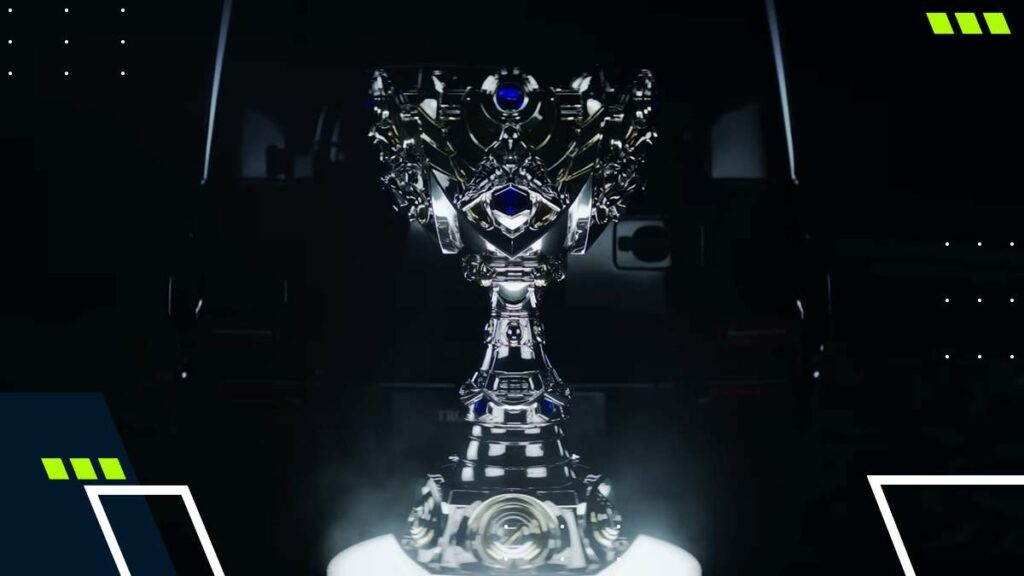
The first LoL Worlds took place in 2011 at DreamHack in Jönköping, Sweden, where FNATIC claimed the inaugural title. Since then, many more teams have been victorious, with Korean powerhouse T1 standing alone as the only six-time champion.
Riot introduced the Summoner’s Cup the following year. This was a massive, 70-pound trophy that quickly became the ultimate symbol of competitive League. The World Championship now features a prize pool exceeding $5 million.
As the tournament has evolved, so have its rules, host locations, and team lineup. And since 2014, every Worlds has been paired with an official Riot-produced anthem. With demand for top-tier League competition only growing, the tournament continues to scale each year.
Let’s take a look back at every edition of Worlds to date.
LoL Worlds 2011
Worlds started small at the DreamHack event way back in 2011, with eight teams, a simple bracket, and very few people realizing what this event would grow into. FNATIC’s win set the tone for Europe early on and gave the scene its first-ever LoL World Champion.
LoL Worlds 2012
Season 2 moved Worlds to Los Angeles and cranked the scale up with a massive prize pool for that era. Taipei Assassins’ run still feels like pure Worlds magic. A team most people dismissed early on ended up outplaying the tournament favorites and proving to everyone just how unpredictable the global meta can be when the pressure hits.
LoL Worlds 2013
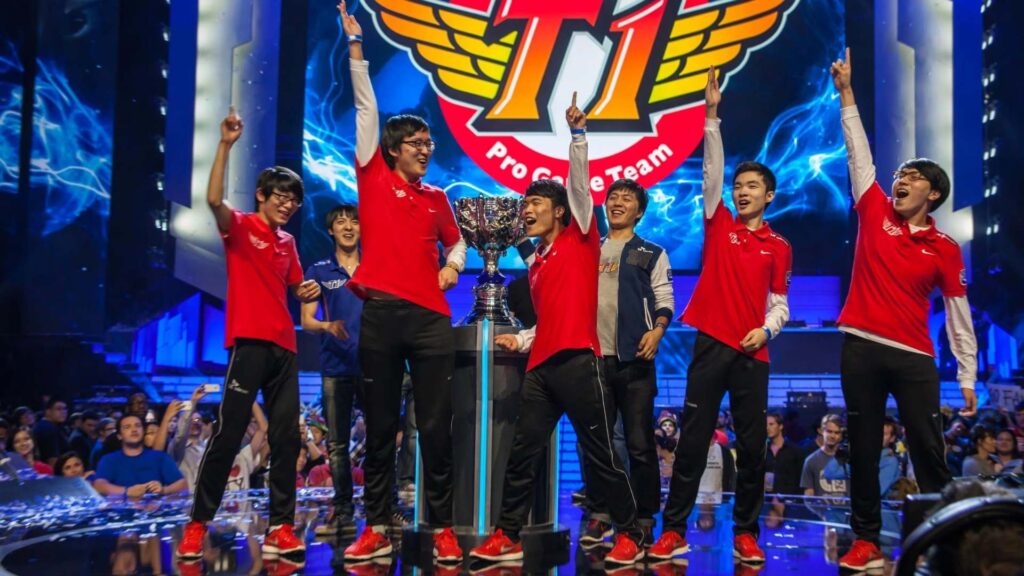
Worlds 2013 took place at the Staples Center and truly felt like a modern esports world championship. SK Telecom T1, led by a rookie mid laner named Faker, dominated the bracket and started a dynasty that would last for years. From that point on, every Worlds had to live up to that stage.
LoL Worlds 2014
In 2014, Samsung White delivered one of the cleanest tournament runs in the history of League of Legends. Their preparation, innovative early-game tactics, and mechanical level pushed other regions to rethink how they practiced.
LoL Worlds 2015
Worlds 2015 turned into a traveling show across Europe, with games in major cities like Paris, London, and Berlin. SKT picked up another title, but many fans remember this year for the rise of Origen and FNATIC’s deep run. It felt like Europe was slowly closing the gap to the LCK giants.
LoL Worlds 2016
2016 gave SKT their third Worlds trophy and cemented their legacy. Between the legendary series against ROX Tigers and a tense Final against Samsung Galaxy, it felt like an era closing. The Semifinal game against ROX is widely considered the best League of Legends series ever played.
LoL Worlds 2017
A year later, Samsung Galaxy returned and comfortably beat SKT in the Final, flipping the script from 2016. The 3–0 result shocked a lot of fans and quietly told the rest of the world that even the Korean giants could fall apart if another team adjusted to the meta a little better.
LoL Worlds 2018
In 2018, China earned its first Worlds title with Invictus Gaming. An explosive, skirmish-heavy style cut through the bracket and produced quick and bloody games. From then on, the LPL stopped being just a dark horse region and became a genuine favorite almost every year.
LoL Worlds 2019
Worlds 2019 set up a dream storyline, highlighted by G2’s flexible, creative style against FPX’s relentless aggression. In the end, FPX took the Final series and gave LPL back-to-back trophies, while Europe again fell just short of lifting the Summoner’s Cup.
LoL Worlds 2020
The 2020 World Championship in Shanghai played out inside a pandemic bubble—there was no live audience, but still electrifying plays. DAMWON Gaming’s victory crowned a new LoL world champion for the LCK and showcased a modern playstyle that blends the region’s controlled approach with the chaotic meta.
LoL Worlds 2021
In 2021, EDward Gaming’s path through the bracket felt like a slow burn. Every series seemed close, every adaptation earned. The Final went a full five games against DWG KIA and turned EDG’s victory into one of the most unexpected runs in LoL history.
LoL Worlds 2022
DRX’s Worlds 2022 run was hailed as one of the most emotional storylines. A team that actually started in the Play-In stage climbed all the way to the title, beating tournament favorites in series after series. For many people, this was the greatest underdog run at Worlds ever.
LoL Worlds 2023
When T1 finally lifted another Worlds trophy in 2023, it felt less like a surprise since they appeared in the previous Final. After years of near-misses and painful finishes, the team converted a home-soil run into a championship and added another chapter to Faker’s stacked legacy.
LoL Worlds 2024
Worlds 2024 delivered another classic T1 storyline, with Faker and his squad battling past LPL’s Bilibili Gaming in a 3–2 Final to claim a fifth Summoner’s Cup and the first back-to-back Worlds win since 2016. Faker took the Finals MVP and cemented his status as the greatest League of Legends player of all time.
LoL Worlds 2025
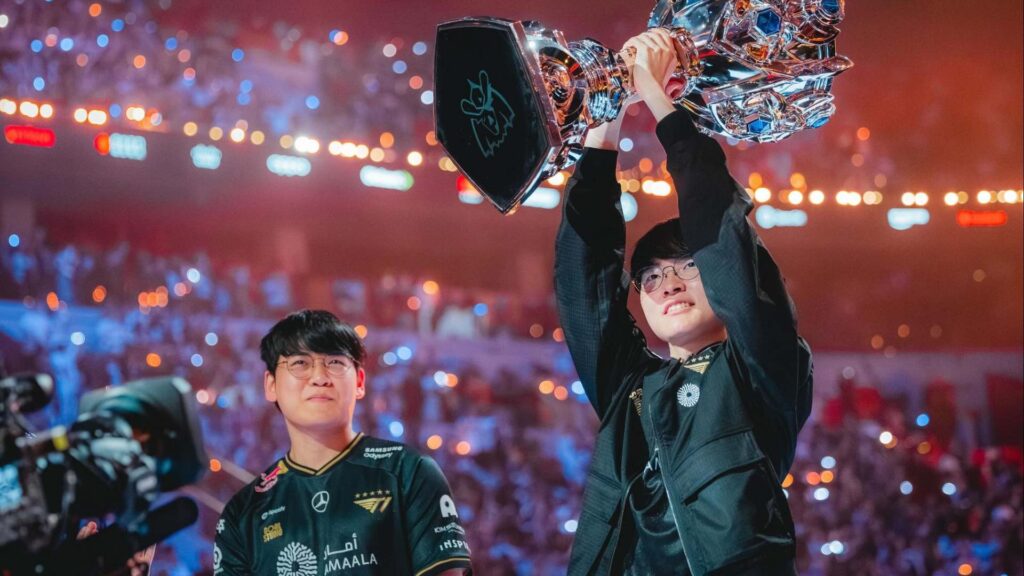
Worlds 2025 put the legendary Telecom War on the biggest stage, with T1 edging out KT Rolster 3–2 in Chengdu to claim a record sixth title and complete the Worlds three-peat. The tournament was played under Fearless Draft rules, which removed previously picked champions in the series.
LoL Worlds 2026
Worlds 2026 brings the championship back to North America, with almost the entire tournament played in Allen, Texas, before the Final lands in New York City. Eighteen teams will qualify through their regional leagues and MSI, with LCS and CBLOL returning as standalone regions, and T1 arriving as the defending champions once again.
FAQs
When is LoL Worlds played each year?
Worlds is held once a year, usually in the fall, after all the major regional leagues finish their seasons and Playoffs.
How many teams usually qualify for Worlds?
The exact number of teams qualifying for Worlds varies by format, but it always includes champions and top teams from the major regions, plus a few dark horses from minor regions.
What’s the main difference between Worlds and MSI?
MSI is a mid-year international tournament with fewer teams, while Worlds is a full-season finale where the Summoner’s Cup and world champion title are decided.
Which region has been the most successful at Worlds?
Historically, Korea and China have shared most of the Worlds trophies, with LCK and LPL trading periods of dominance at the top level.
Can you watch Worlds for free?
Yes. All Worlds matches are streamed for free on the official LoL Esports site, YouTube, Twitch, and through selected official co-streams.
References:
- LoL Esports | SCHEDULE (LoL Esports)
- Riot Games – Twitch (Twitch)
- LoL Esports – YouTube (YouTube)